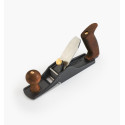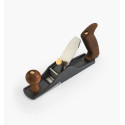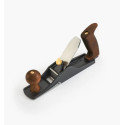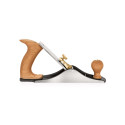
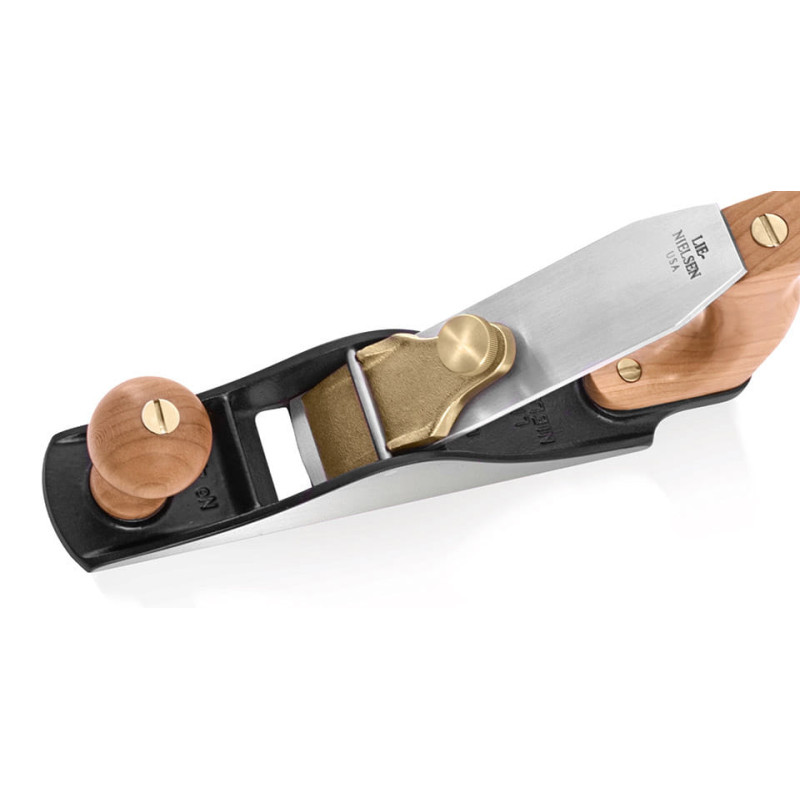
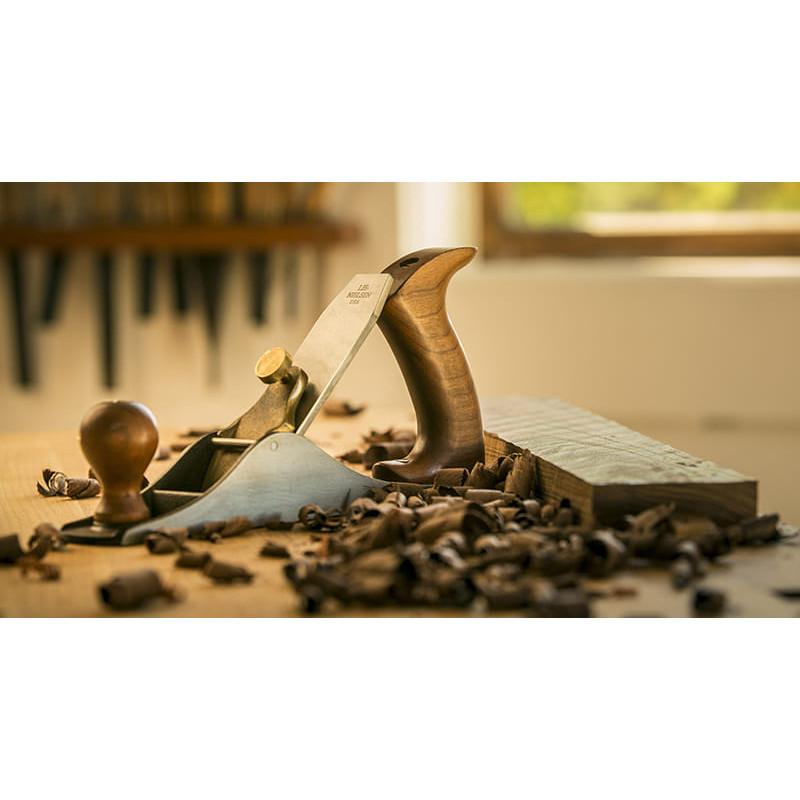
The scrub plane is made for removing a lot of wood quickly. The heavily cambered blade takes deep shavings, and it quickly brings a sawn or twisted board down to thickness before you continue with jack and smoothing planes. It can also be used to give a surface a distinctly hand-planed texture.
Using a scrub plane
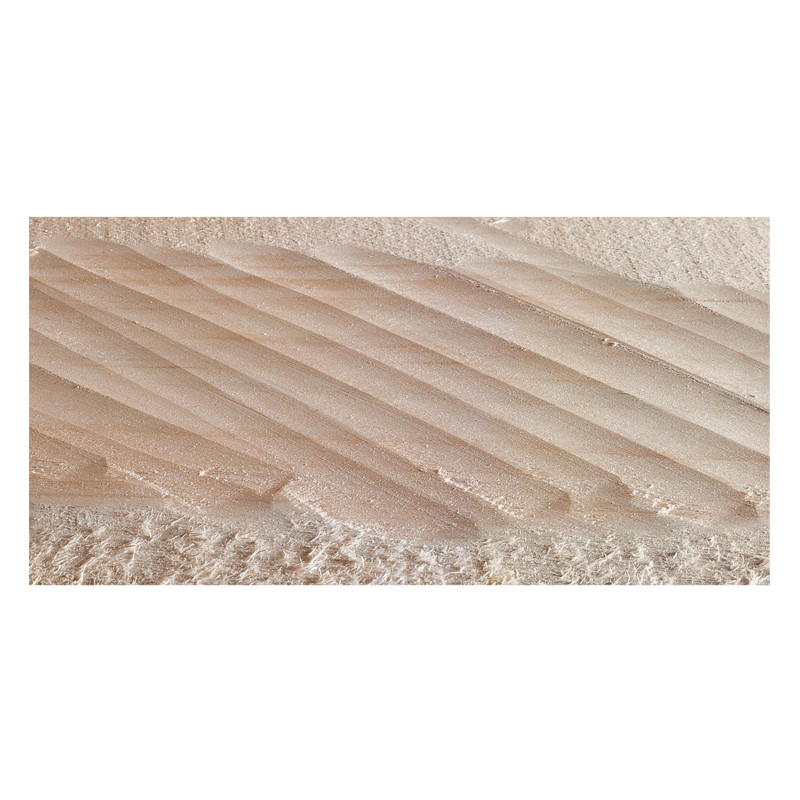
The scrub plane is usually not used along the grain, but diagonally across the board at 30° or more. That way it doesn't tear the wood and removes material quickly.
The blade has a 76 mm (3") radius, and the plane has an open mouth and a single blade without a chipbreaker. Once the board is roughly flat, continue with the jack plane and then the smoothing plane.
When do you need a scrub plane?
Thicknessing sawn boards by hand
Removing twist and cupping
Hollowing the back of mouldings to fit uneven walls
Shaping irregular objects
Giving a surface a decorative, hand-planed texture
A deep, hand-planed surface
Many also use the scrub plane as a final finish, to give a rustic, hand-hewn surface. The standard blade suits larger work such as floors and beams, but is coarse for cabinets and smaller furniture.
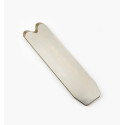
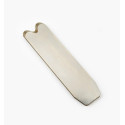
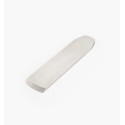
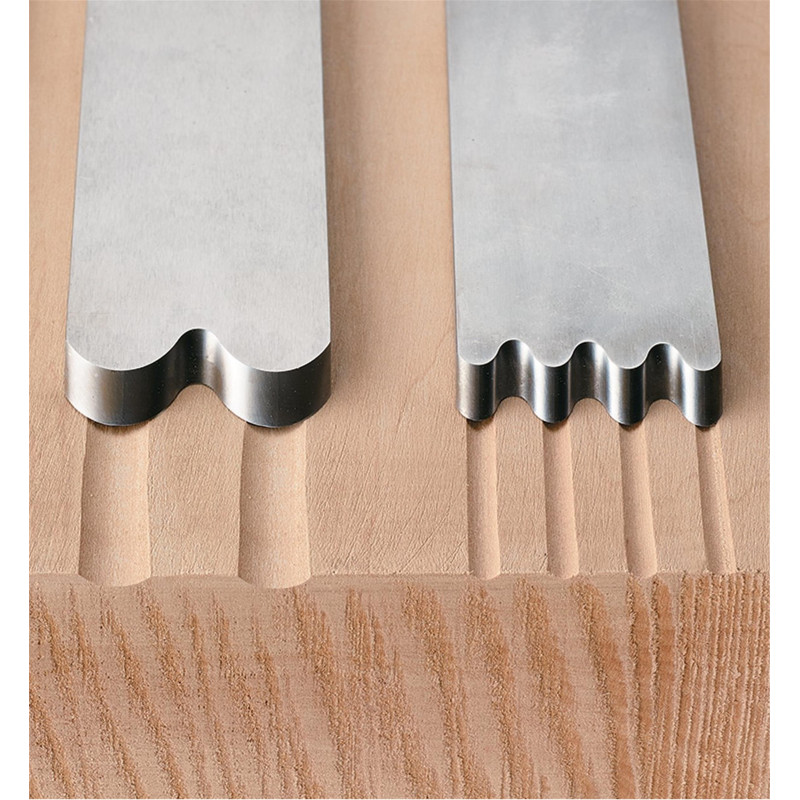
That is why there are texturing blades for the Veritas scrub plane, with wavy flutes that cut several small grooves in each stroke: one with two flutes (10 mm radius) and one with four flutes (3 mm radius).
Grind your own blade
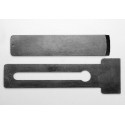
If you want to decide the depth of the grooves yourself, you can grind a blade to the camber you want. This works in an older, inexpensive plane, for example a Stanley No. 4, or in an old Stanley No. 40, for which Hock makes replacement blades. The smaller the radius, the deeper and more pronounced the grooves.
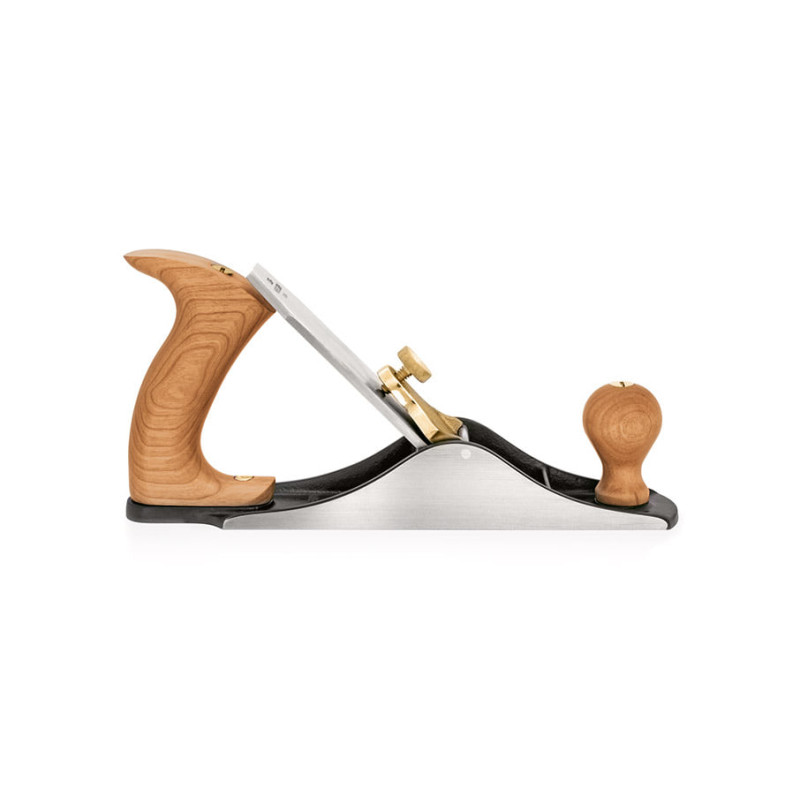
Which scrub plane should I choose?

Veritas
Ductile iron body, high-carbon or PM-V11 blade.
Veritas Scrub Plane
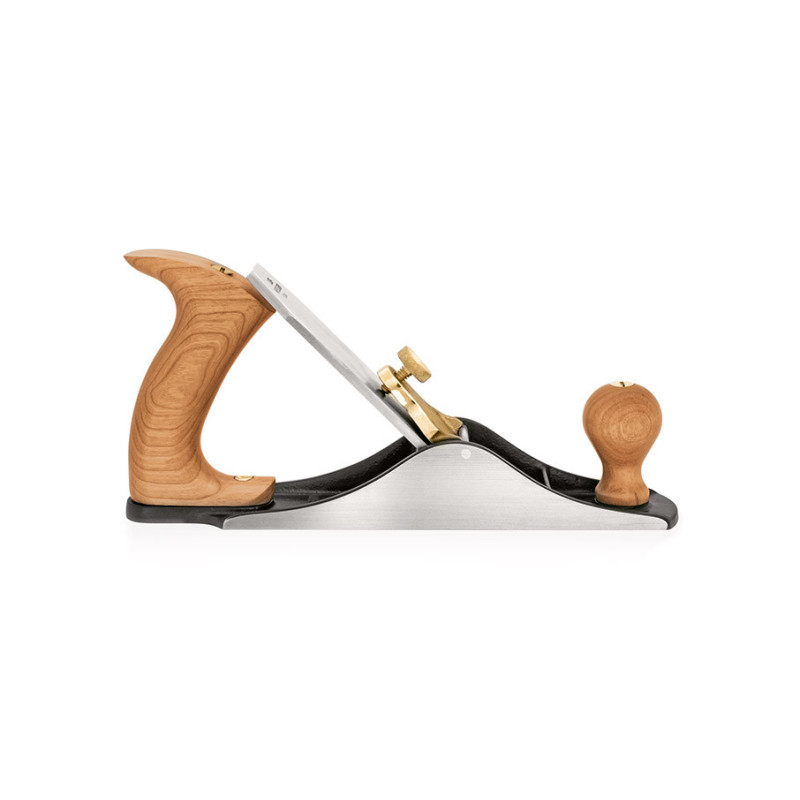
Lie-Nielsen No. 40 1/2
Based on the Stanley 40 1/2, with a cambered A2 blade.
Lie-Nielsen Scrub Plane
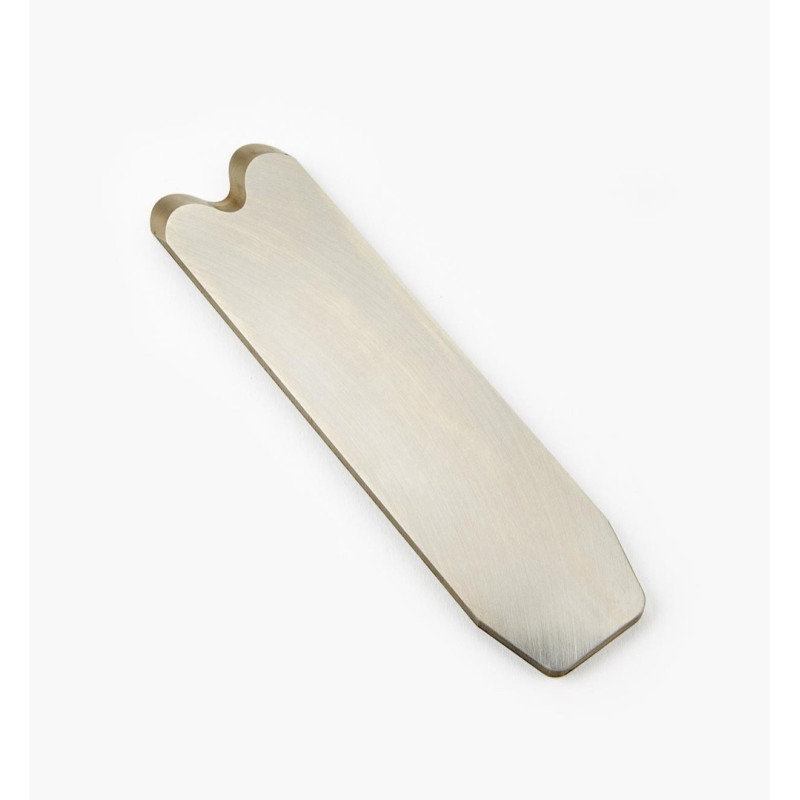
Texturing blades
For a finer, fluted surface on furniture.
Veritas Texturing Blades
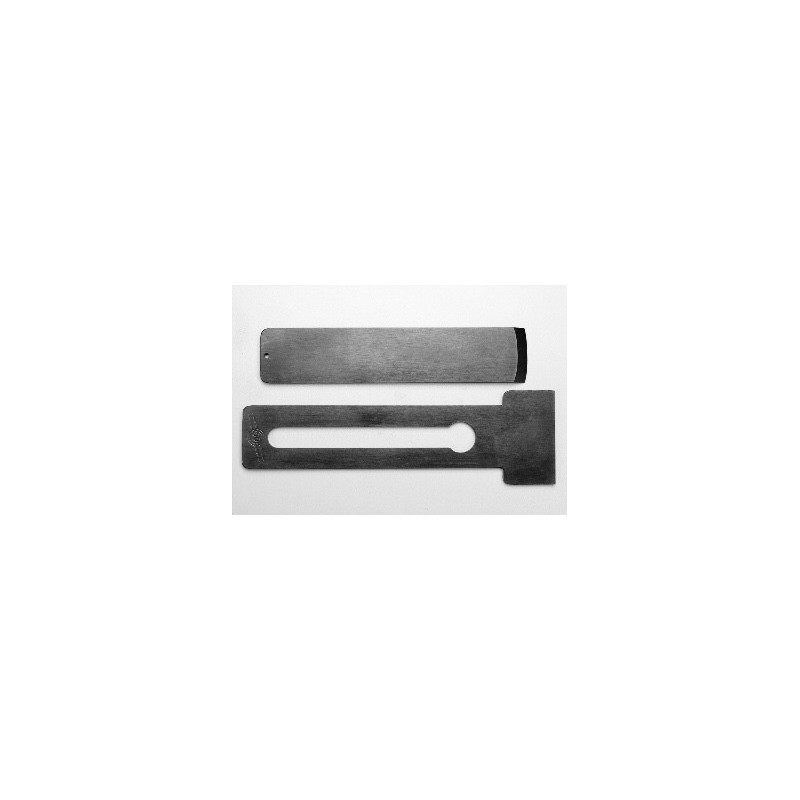
For an old Stanley
Replacement blade for the Stanley No. 40.
Hock Blade for Stanley 40
Scrub plane or jack plane?
Why plane diagonally across the board?
How do I get a deeper scrub-planed texture?
See the full range: Special Planes
Share this content