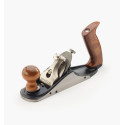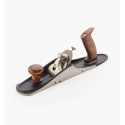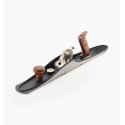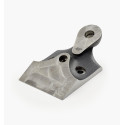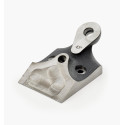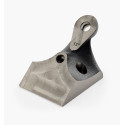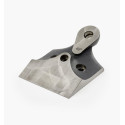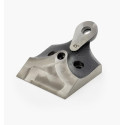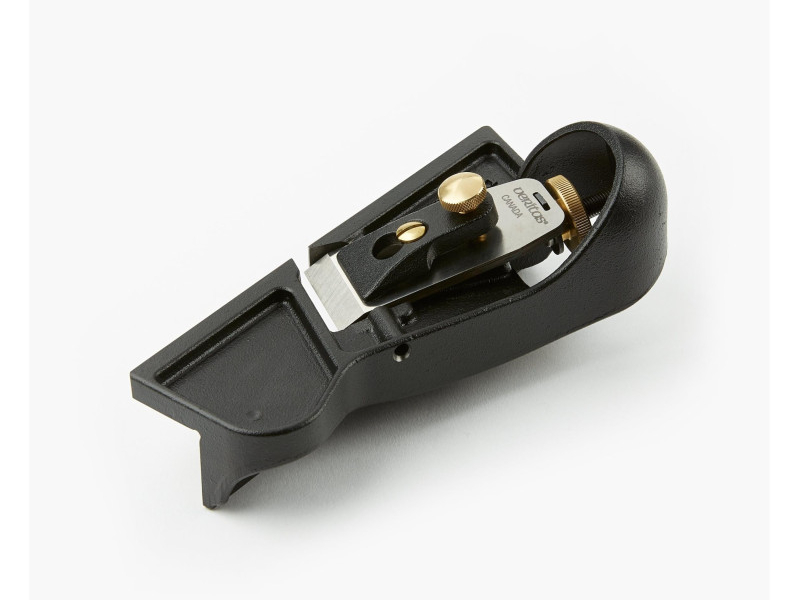
Veritas Custom bench planes can be tailored to your work and the way you work. You choose the frog angle, the blade steel and even the size and shape of the knob and tote, a degree of customisation that used to be found only in handmade planes. Every part is machined to Veritas standards of accuracy, so the plane works as a unified whole whichever parts you choose.
The body
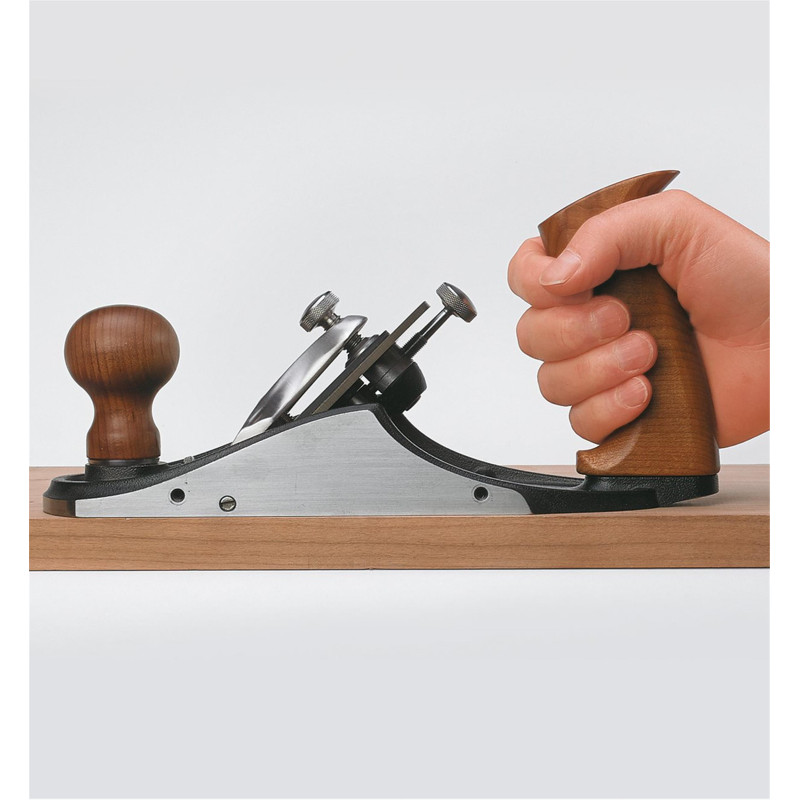
You buy the body and choose the tote, knob, frog and blade separately. The body is fully stress-relieved ductile iron with a sole machined flat and square to the sides, and extra-wide side wings for steady work on a shooting board.
A Norris-type adjuster combines depth and lateral adjustment, and the movable toe plate lets you quickly close the mouth for fine shavings or open it for heavier cuts. The body comes in sizes No. 4, 4 1/2, 5, 5 1/2 and 7.
Build your plane
1. Body
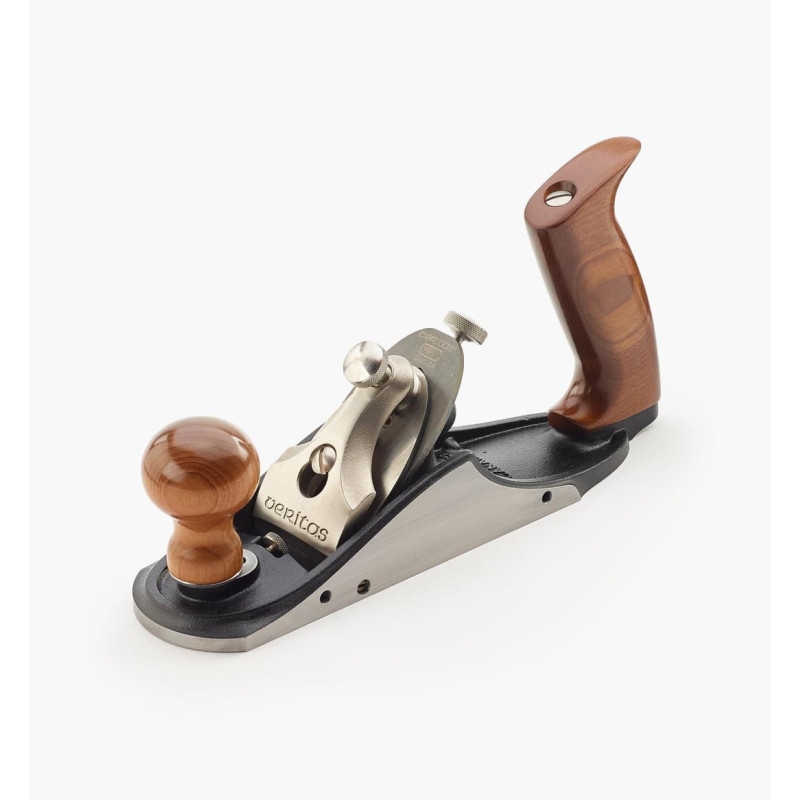
Choose the size: smoothing plane No. 4 or 4 1/2, jack plane No. 5 or 5 1/2, or jointer No. 7.
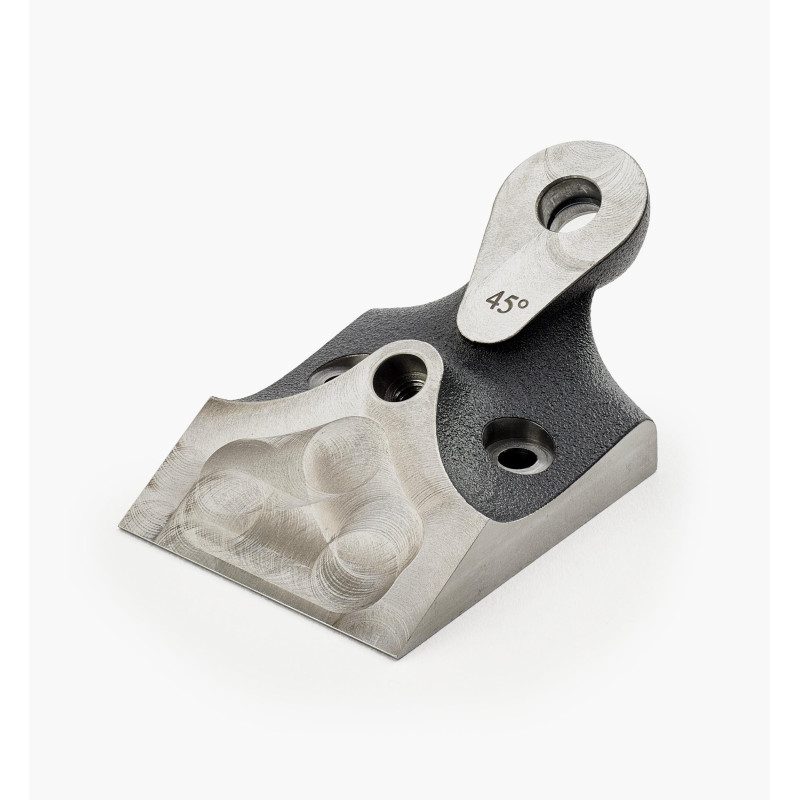
2. Frog
40°, 45° or 55°, for 2" or 2 3/8" blades.
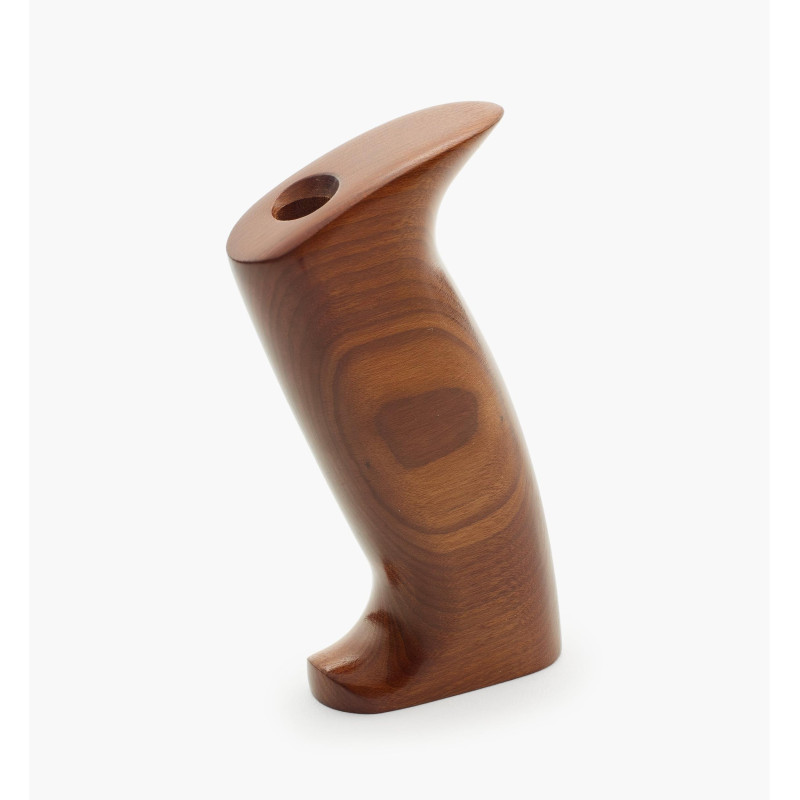
3. Tote and knob
Veritas or traditional type, in three sizes.
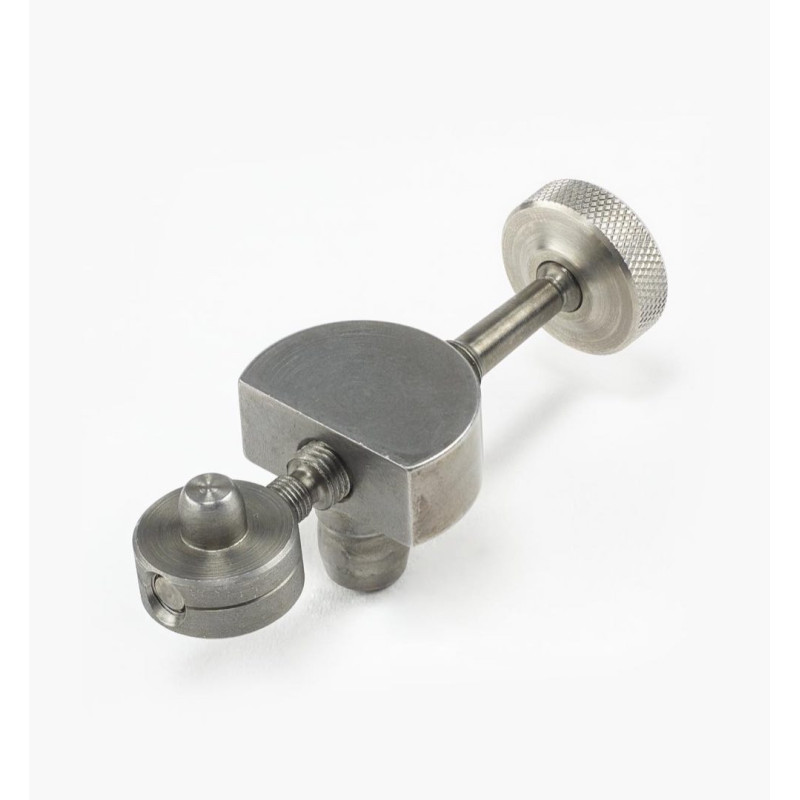
4. Blade and options
O1 or PM-V11. A slow Norris adjuster is available as an option.
Choosing the frog angle
45° is common pitch, the most usual bed angle for bevel-down planes, and suits most work.
Different angles suit different grain: low angles cut end grain cleanly, while higher angles are used for long grain. The higher the angle, the harder the plane is to push, but the lower the risk of tear-out in difficult grain.
The frog can be changed later: remove the blade and frog, slide the adjustable throat back, fit the new frog using the throat as a stop and refit the blade.
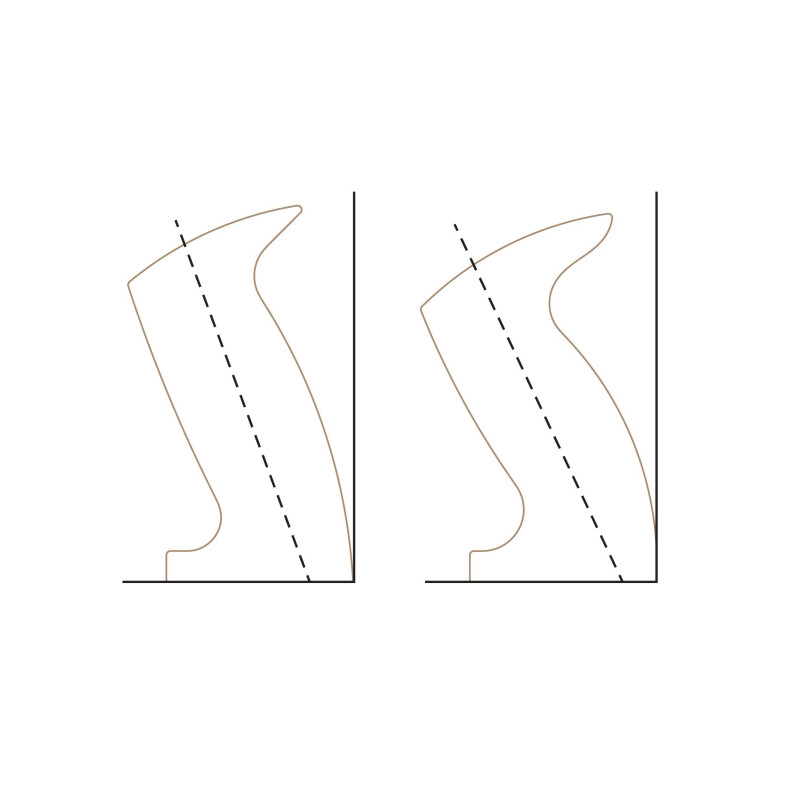
Choosing the tote
Veritas type – relatively upright, so the forearm stays closer to parallel with the sole and you push with the heel of your hand.
Traditional type – leans further forward and is more curved, so you press the plane down more, comfortable on low benches.
Measure the width of your palm across the knuckles: up to 76 mm is small, 79–98 mm medium and 102 mm or more large. The totes are torrefied maple, stable against changes in humidity.
Example: a smoothing plane
Body No. 4
241 mm, ductile iron.
Custom No. 4
Frog 45°
For 2" blades.
Frog 2", 45°
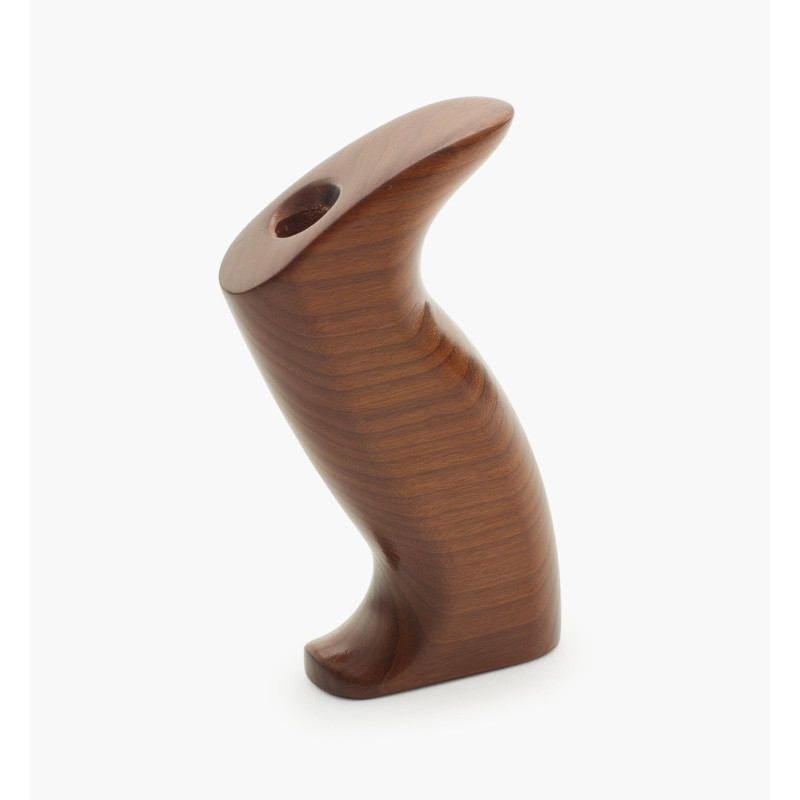
Tote, medium
Traditional type.
Traditional tote
Slow adjuster
Finer depth setting.
Slow Norris adjuster
Also choose a 2" blade in O1 or PM-V11 and a knob.
What do I need for a complete plane?
Which frog angle should I choose?
Can I change the frog later?
See the full range: Hand Planes
Share this content