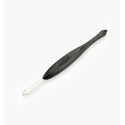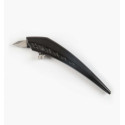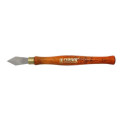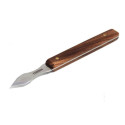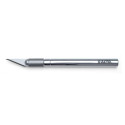
A marking knife scribes a fine line in the wood. It is far more accurate than a pencil line, and the groove gives the saw and chisel somewhere to start. That is why the marking knife is one of the tools that makes the biggest difference when joints need to fit.
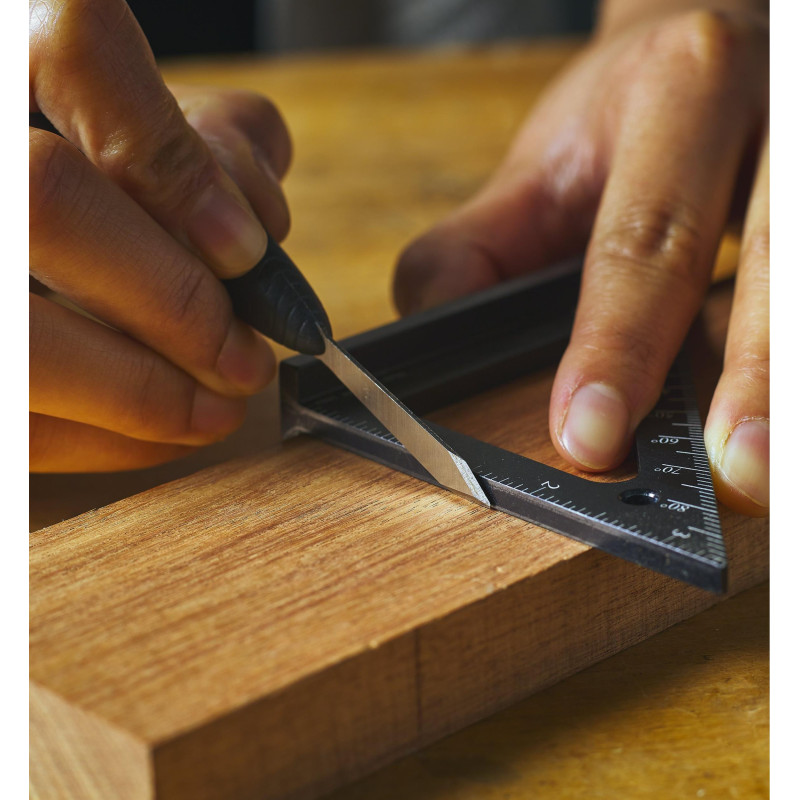
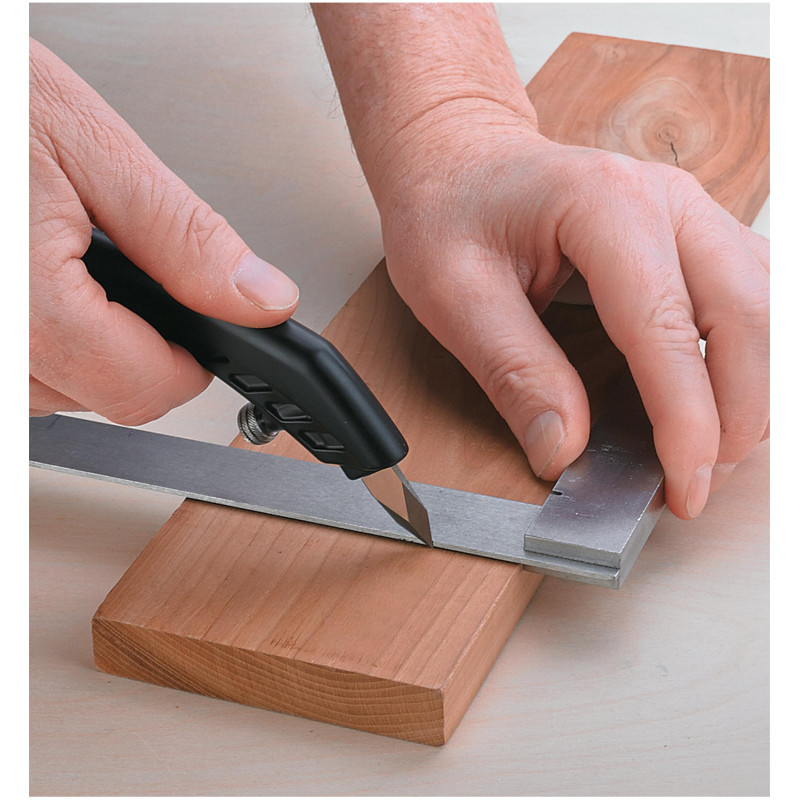
Using a marking knife
Place the square or straightedge where the line should be and draw the knife along the edge. Make the first pass light, so the knife doesn't follow the grain, then deepen the line with one or two more passes.
The line severs the fibres cleanly, so the chisel can be set straight into the groove and the saw gets an exact starting point.
Single bevel, double bevel or spear point?
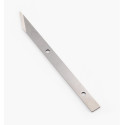
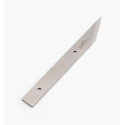
Single bevel – bevelled on one side. The flat side rests against the straightedge and gives a very accurate line, but you need one knife for each direction, or choose according to whether you are right- or left-handed.
Double bevel – bevelled on both sides. Works in both directions and for both right- and left-handers.
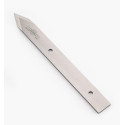
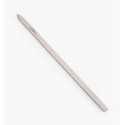
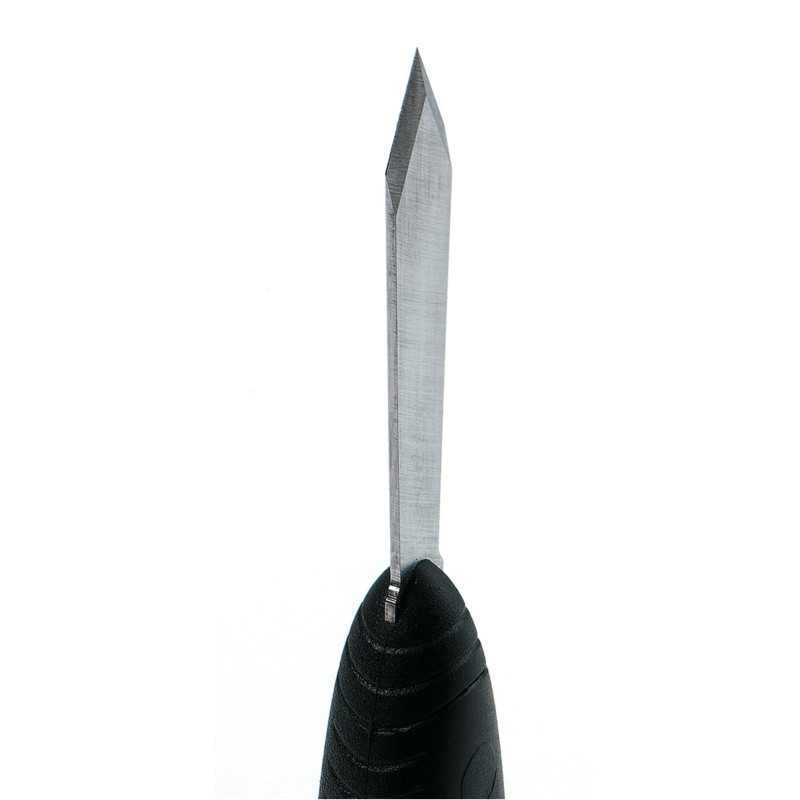
Spear point – the point can be used in both directions, so one knife covers everything.
Thin or thick knife?
A thin marking knife gets into narrow sockets and tight spaces, for example when transferring from tails to pins on dovetails.
A thicker knife is steadier and flexes less when you draw it along a square or straightedge. If you cut a lot of fine dovetails, a thin knife can be worth having as a complement.
Blades without handles
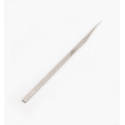
Hock marking knife blades come without a handle, so you can make your own or wrap the blade as you like. The blades are 178 mm long, in O1 steel hardened to 62 HRC, and come with a right or left bevel, double bevel or spear point. They are also used for carving and whittling.
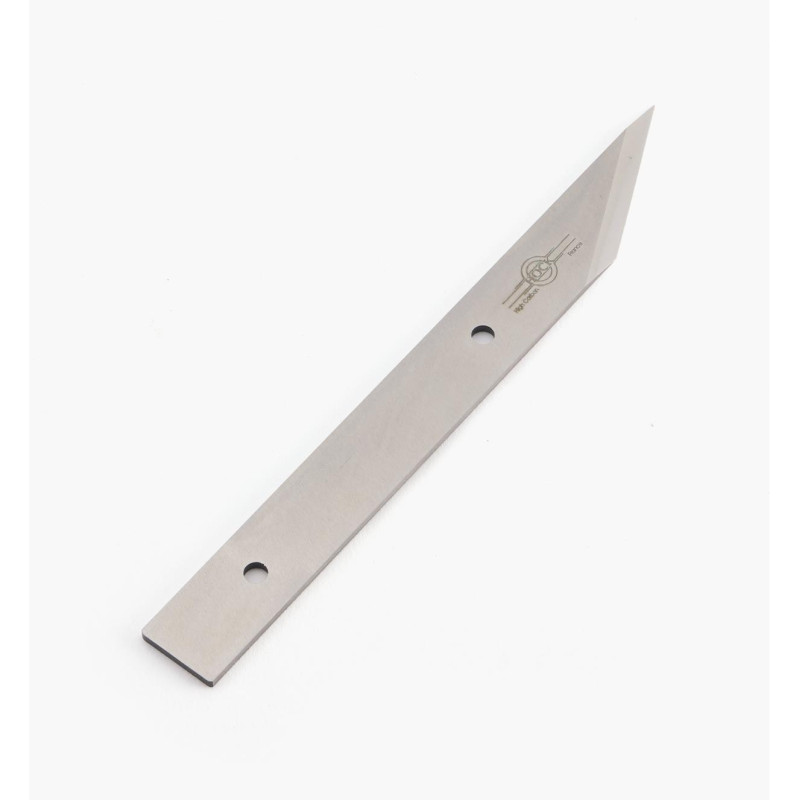
Which marking knife should I choose?
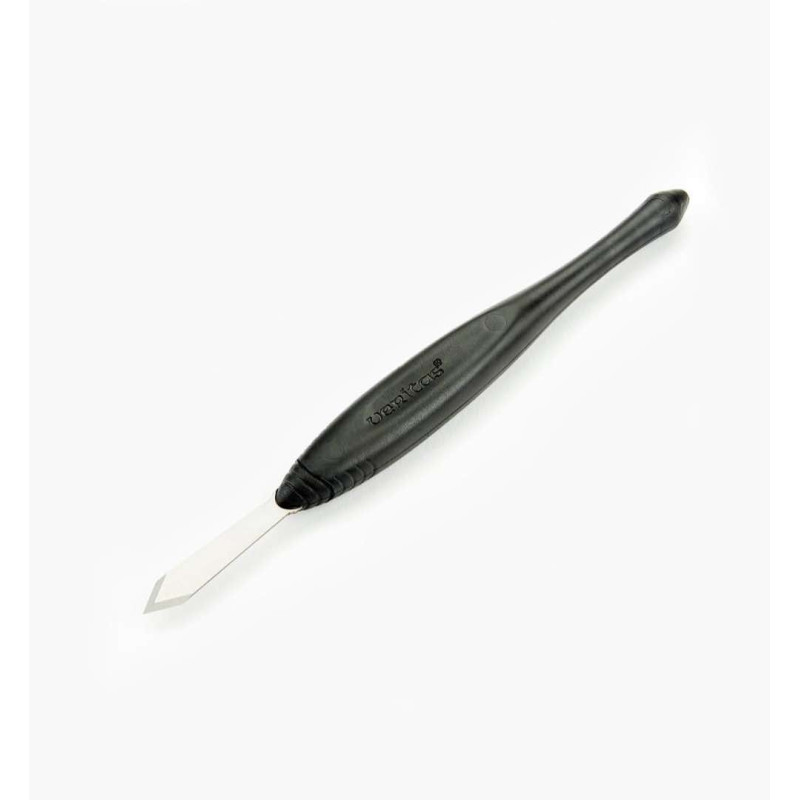
Thin and affordable
Thin double-bevel A2 blade, good for dovetails.
Veritas Workshop Striking Knife

Steady
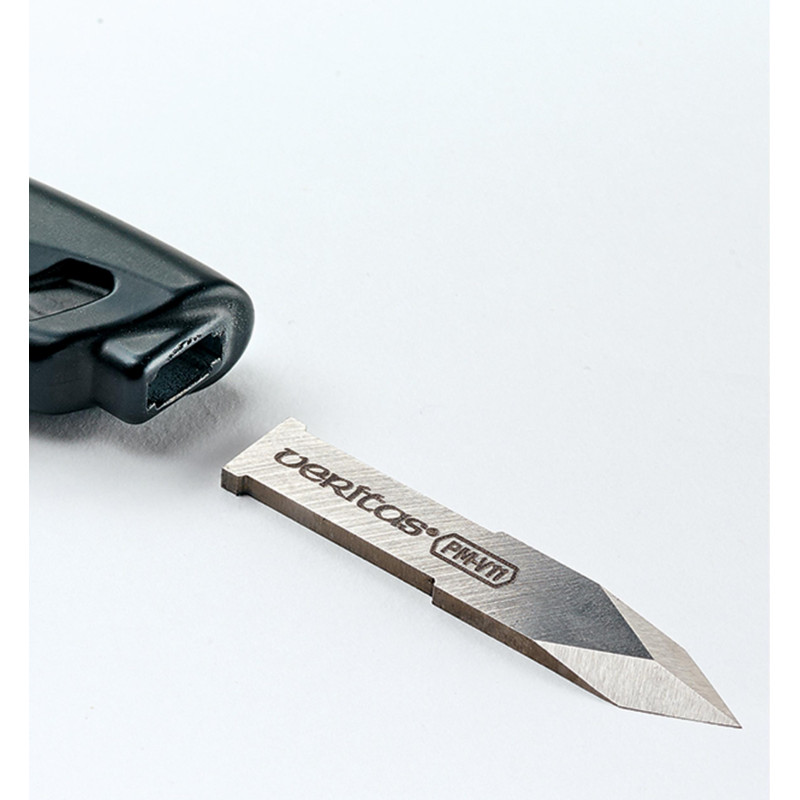
Reversible PM-V11 blade, pencil or pistol grip.
Veritas Shop Knife
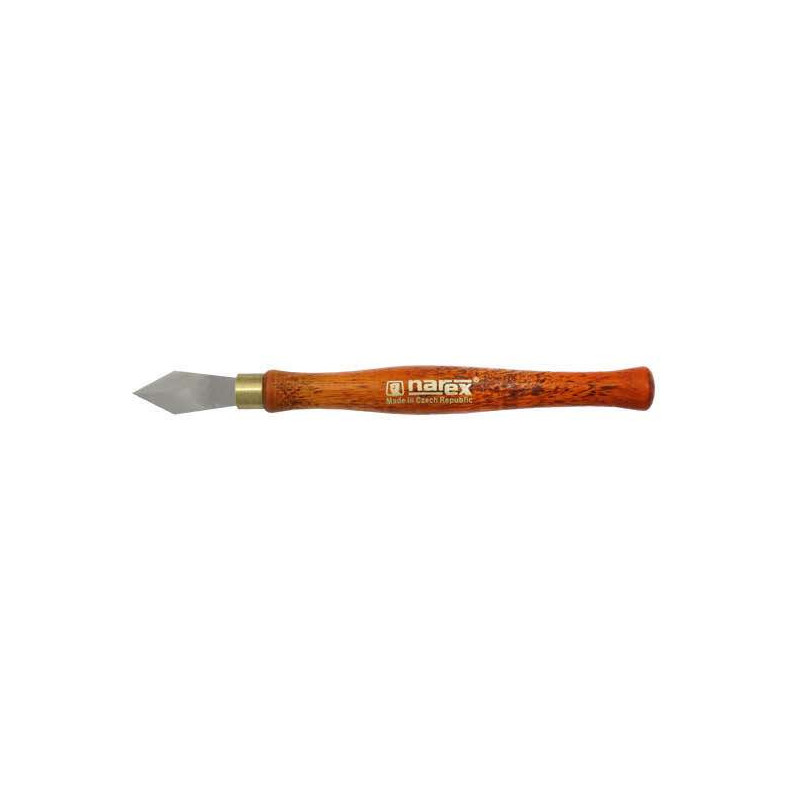
Traditional
Hornbeam handle and Mn-V steel blade.
Narex Marking Knife
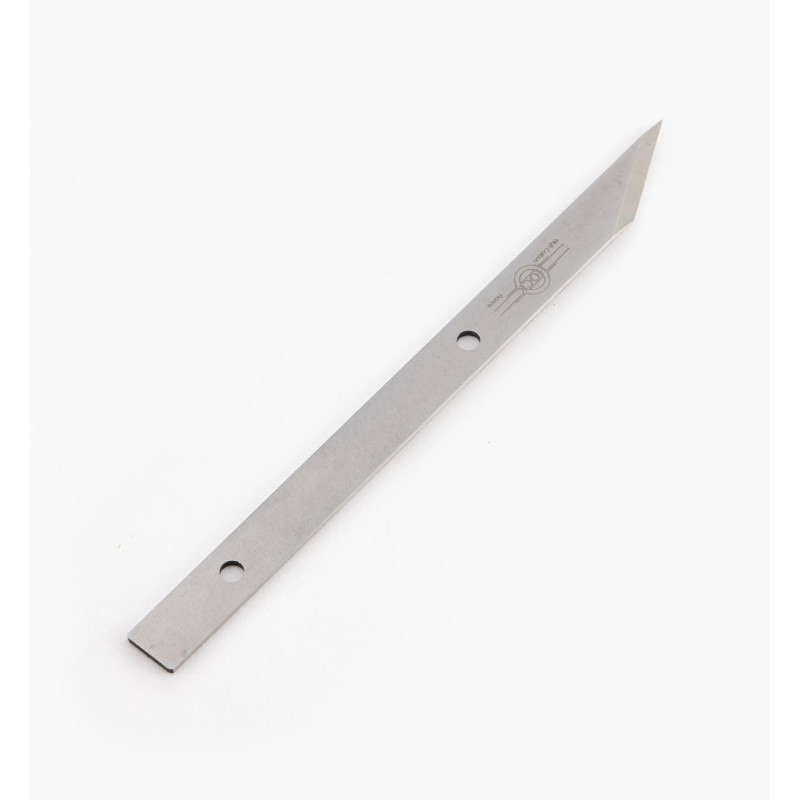
Make your own
O1 blades without handle, several widths and grinds.
Hock Marking Knife Blades
Why a marking knife instead of a pencil?
Does it matter if I am left-handed?
How do I keep a marking knife sharp?
See the full range: Marking Knives
Share this content