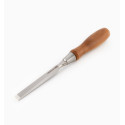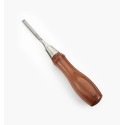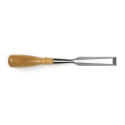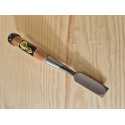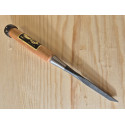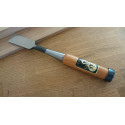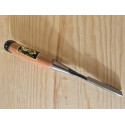
The chisel is one of the most used tools in the workshop. Chisels come in many qualities and price ranges, and the differences are mainly in the steel, the shape and how long the edge lasts.
What chisels are used for
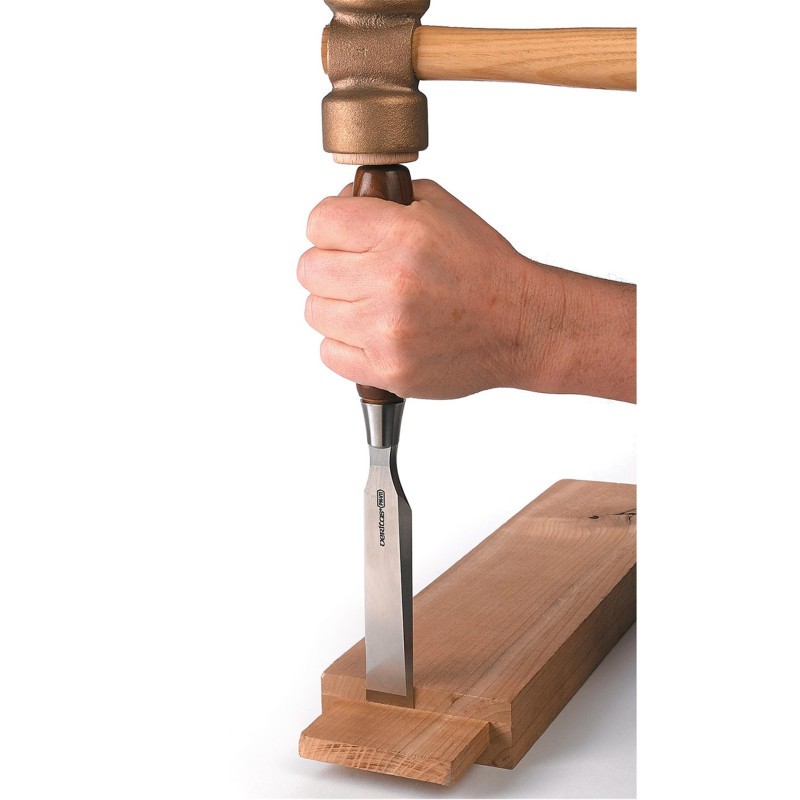
A chisel is used both with a mallet, to chop away wood, and by hand, to pare and fit parts.
Recesses for hinges and hardware
Dovetails and other joints
Paring tenons and shoulders
Chamfers and fitting
For deep mortises there are mortise chisels, which are heavier and made to withstand levering. Read more about Veritas mortise chisels.
The steel decides how long the edge lasts
All good chisels can be made really sharp. What separates the steels is mainly how long the edge lasts before you need to sharpen, and how easy the steel is to sharpen.
Chrome-manganese steel, such as Narex Premium (59 HRC), is easy to sharpen and good value.
A2, used by Lie-Nielsen, holds an edge longer than plain carbon steel.
PM-V11, Veritas' own alloy (61–63 HRC), holds an edge the longest but is also the most expensive.
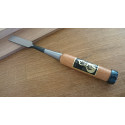
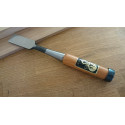
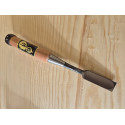
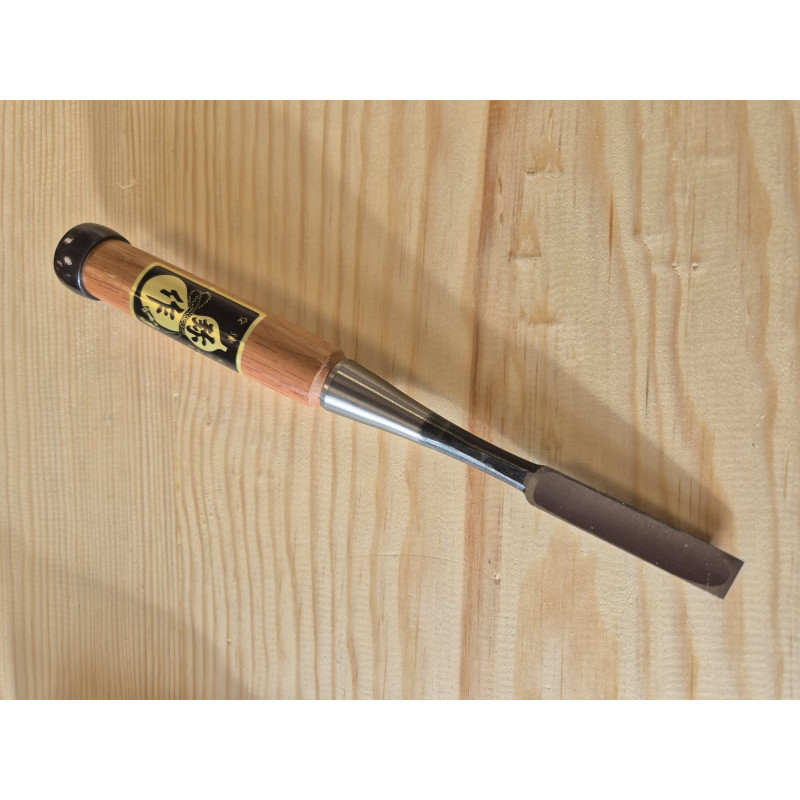
Japanese chisels have a very hard cutting steel. They get very sharp but should be handled with care.
A more expensive steel mainly means you sharpen less often. A freshly sharpened, less expensive chisel cuts just as well as an expensive one – the difference is how long it lasts.
Long or short chisels?
Ordinary bench chisels have a longer blade that gives good control when paring and fitting, and when sighting along the blade.
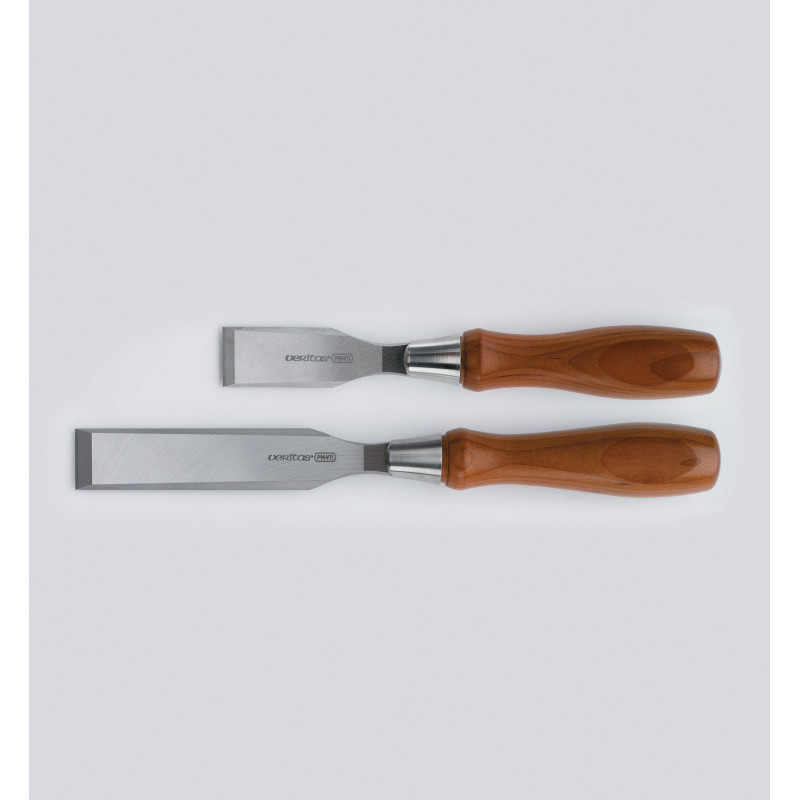
Short chisels (butt chisels) are handier in tight spaces and when working close to the body. Many find they give better control, for example when cutting hinge recesses.
Bevelled edges
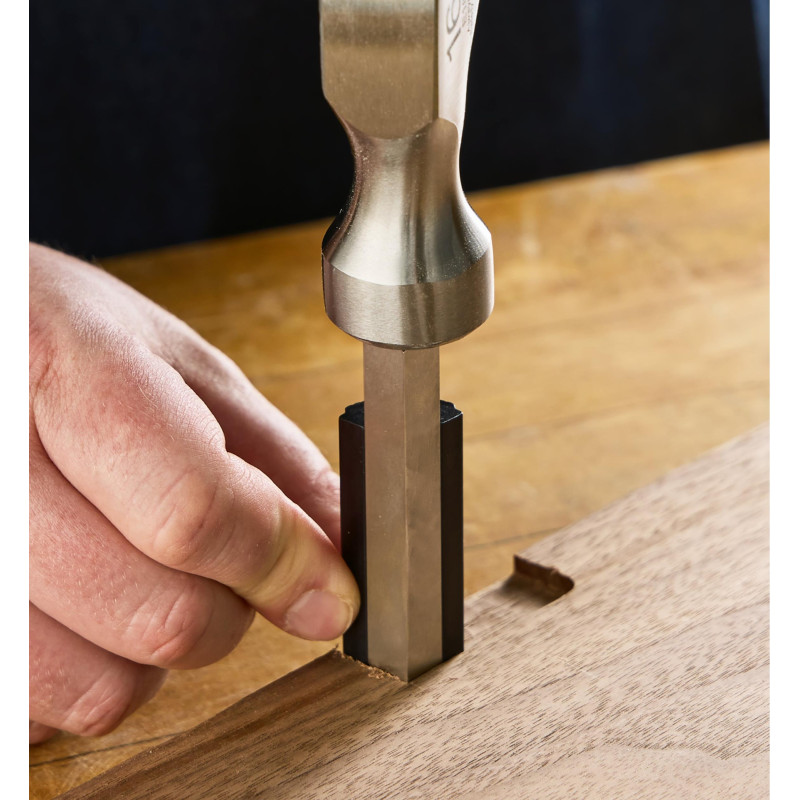
Most bench chisels have bevelled edges. The narrower the side lands, the easier it is to get into angled corners, for example between dovetails. Lie-Nielsen chisels have very narrow lands, and Veritas chisels have true bevelled edges that give clearance and minimal friction.
Use a mallet, not a hammer
Strike the chisel with a wooden or rubber mallet. A hammer is hard on both handle and steel. Handles in dense hornbeam, as on Narex Premium, and the domed end of the Veritas handle are made to take blows from a mallet.

Which chisels should I choose?
Narex Premium
Good value and easy to sharpen. A good choice for a first set.
Narex Premium
Lie-Nielsen
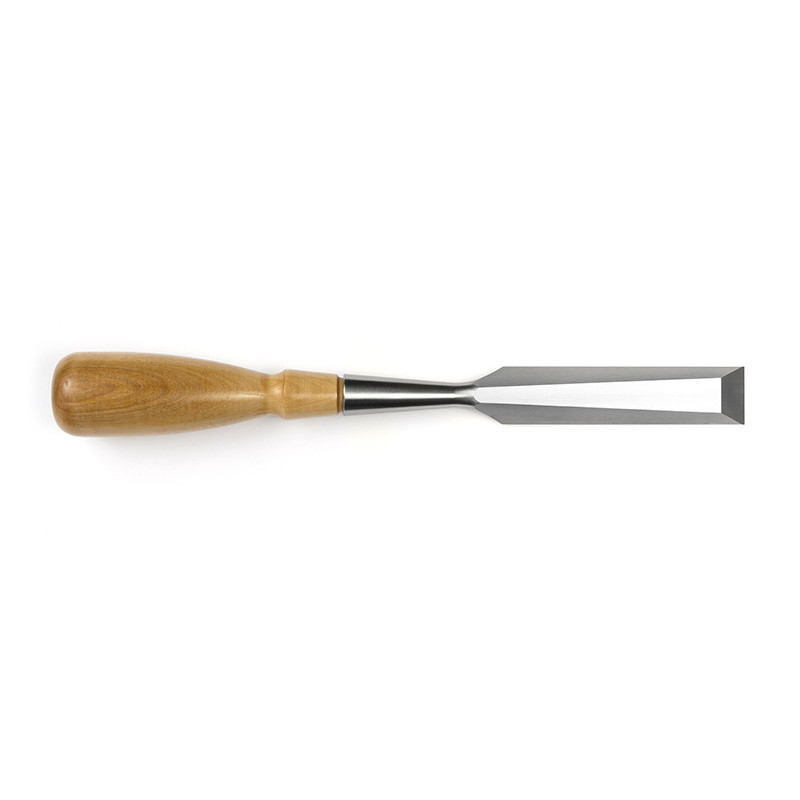
A2 steel and very narrow bevelled edges.
Lie-Nielsen chisels
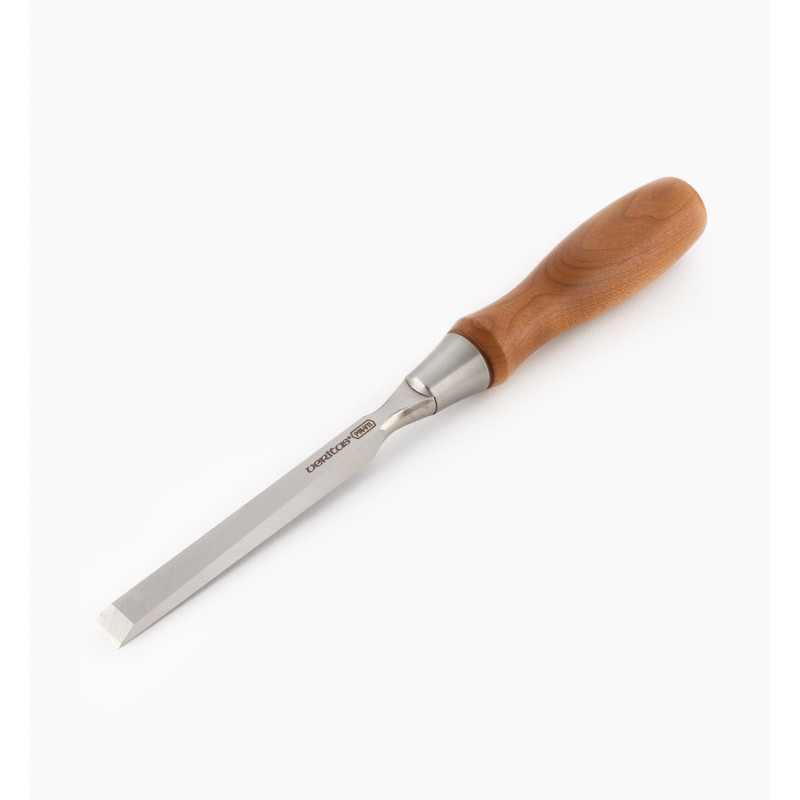
Veritas
PM-V11 with the longest edge retention, in long and short versions.
Veritas chisels
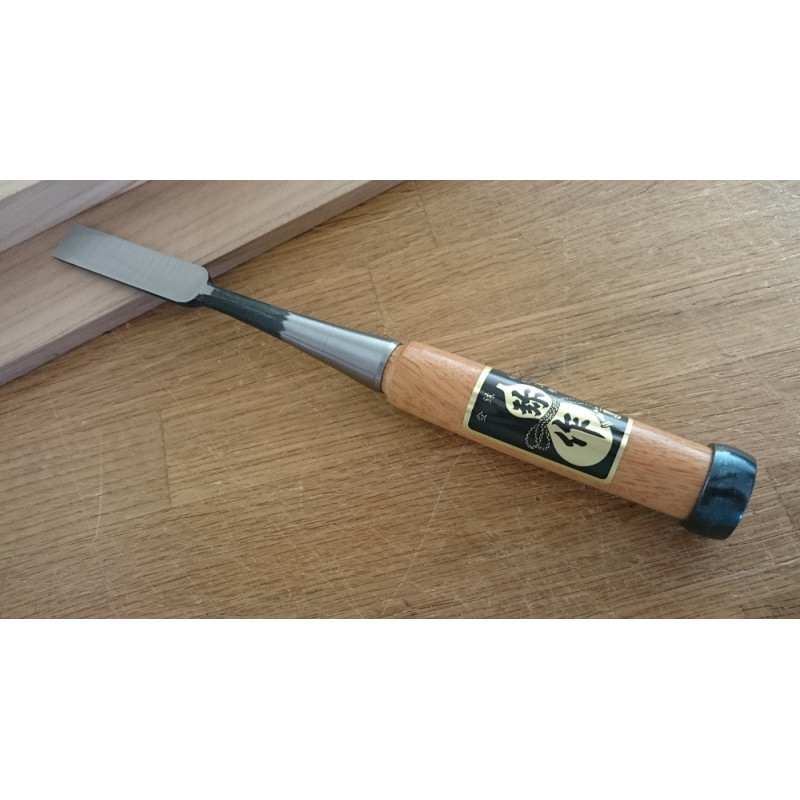
Japanese
Very hard cutting steel for fine work.
Japanese chisels
You don't need to buy a full set straight away. Three or four widths, for example 6, 12, 18 and 25 mm, will take you a long way, and you can add more as needed.
Which steel is best?
Do new chisels need sharpening?
What bevel angle should a chisel have?
See the full range: Chisels
Share this content