- Out-of-Stock


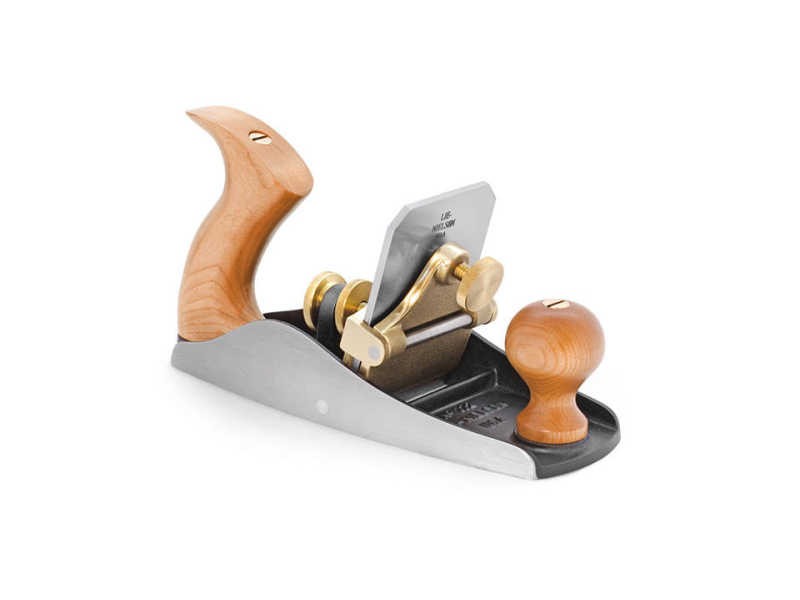
Large scraping plane based on the Stanley 112, 241 mm long with a 73 mm A2 blade. For scraping large surfaces such as tabletops.
The Lie-Nielsen No. 112 Large Scraping Plane is based on the Stanley 112 and is used for scraping large surfaces, such as tabletops, where a hand scraper becomes tiring.
The body is cast from ductile iron with a ground flat sole. The cap and frog are manganese bronze. The blade is A2 tool steel hardened to Rockwell 60–62, with a 45° bevel.
Toothed blades with 18 and 25 teeth per inch are available as options and sold separately.
Length 241 mm (9-1/2"), width 83 mm (3-1/4"), blade width 73 mm (2-7/8"), blade thickness 3.6 mm (0.140"), bevel 45°, A2 steel, weight about 1.8 kg (4 lb).
Data sheet
Specific References
Yes. All Lie-Nielsen planes are supplied complete and ready to use, with frog, chip breaker and a lapped A2 blade. You do not need to buy the blade separately.
Iron body means the plane body is cast iron, as opposed to the bronze models. PM-V11 is not available for Lie-Nielsen, as it is Veritas' own steel. The plane comes in a brown box with the Lie-Nielsen logo on the lid, which is easy to gift wrap.
Which plane to start with depends on what you will do, but for most people a smoothing plane (No. 4) or a jack plane (No. 5) is a good first choice. The smoothing plane gives smooth surfaces, and the jack plane is a versatile plane for both rough work and truing edges.
Low-angle jack planes such as the Lie-Nielsen No. 62 and the Veritas low-angle jack are also popular all-round planes. A block plane is a good addition for end grain and chamfers. The guide explains how the hand plane is built and which types exist.
Planes of cast iron and steel rust easily, especially in unheated workshops and from moisture on your hands. Wipe the plane after use and protect bare surfaces with a thin layer of wax or oil that will not mark the wood.
Store your planes dry, ideally in a plane sock or box. If rust has already formed, the guide shows how to clean and protect them.
A card scraper is a thin steel plate that scrapes smooth surfaces, especially on difficult wood. It is sharpened in three steps: the edge is filed straight, honed smooth and then turned into a small burr with a burnisher. The burr is what cuts.
When the scraper stops making shavings, you can often turn the burr again with the burnisher. The guide shows it step by step.
Most products are restocked on an ongoing basis, but delivery times from the manufacturer vary. When an item is out of stock, the button Notify me when available appears on the product page.
Click the button and enter your email address, and we will email you as soon as the item is back in stock. If you are logged in, your email address is registered automatically. If you want to know when the next delivery is expected, you are welcome to contact us.
How often items are restocked depends on the supplier. We receive deliveries from Veritas about once a month, Lie-Nielsen ships in batches and we order from Incra about once a year. You can also add the item to a wishlist in your account, where you can see whether it is in stock.
Large scraping plane based on the Stanley 112, 241 mm long with a 73 mm A2 blade. For scraping large surfaces such as tabletops.