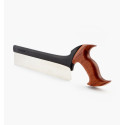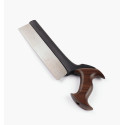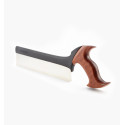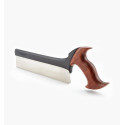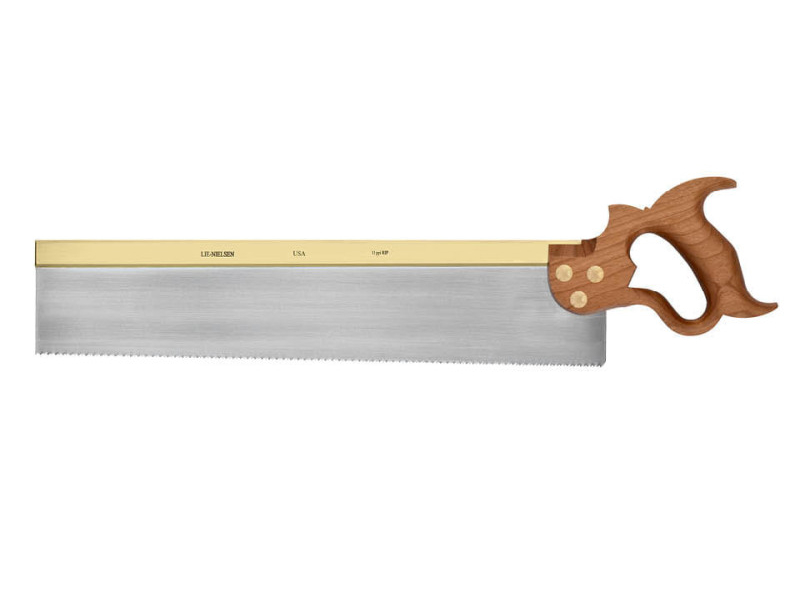
Veritas backsaws combine the features of a classic joinery saw with modern production methods and advanced materials. They are made for fine joints such as dovetails, tenons and accurate crosscuts.
Design
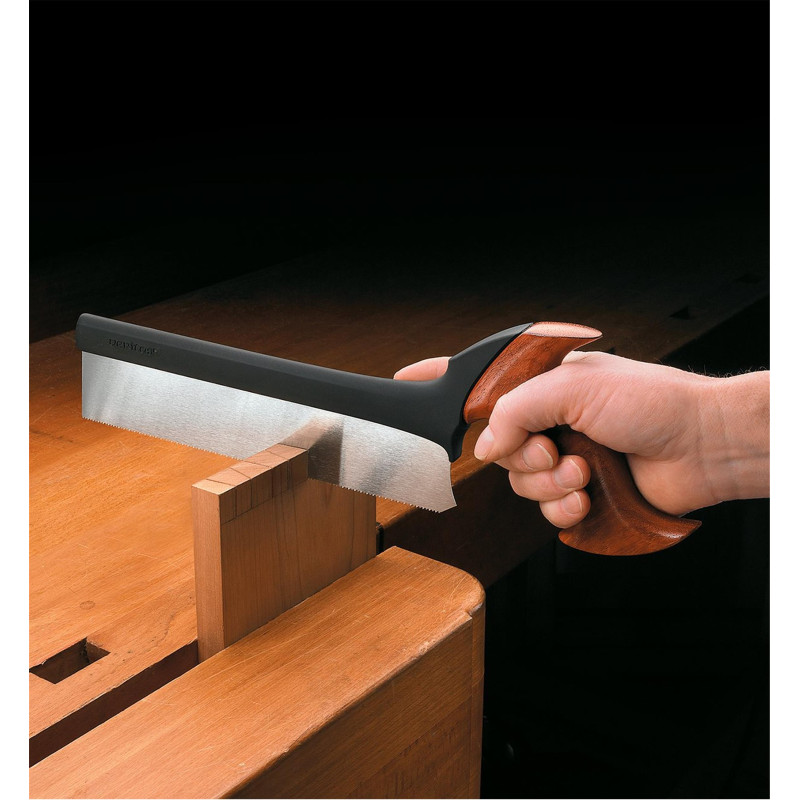
The thin high-carbon steel blades have a tooth pattern that balances fast cutting with a clean surface. The spine is cast from stainless steel powder for weight, glass fibre for stiffness and a polymer resin as binder. The blade and a stainless bolt for the handle are cast into the spine, giving a stable unit.
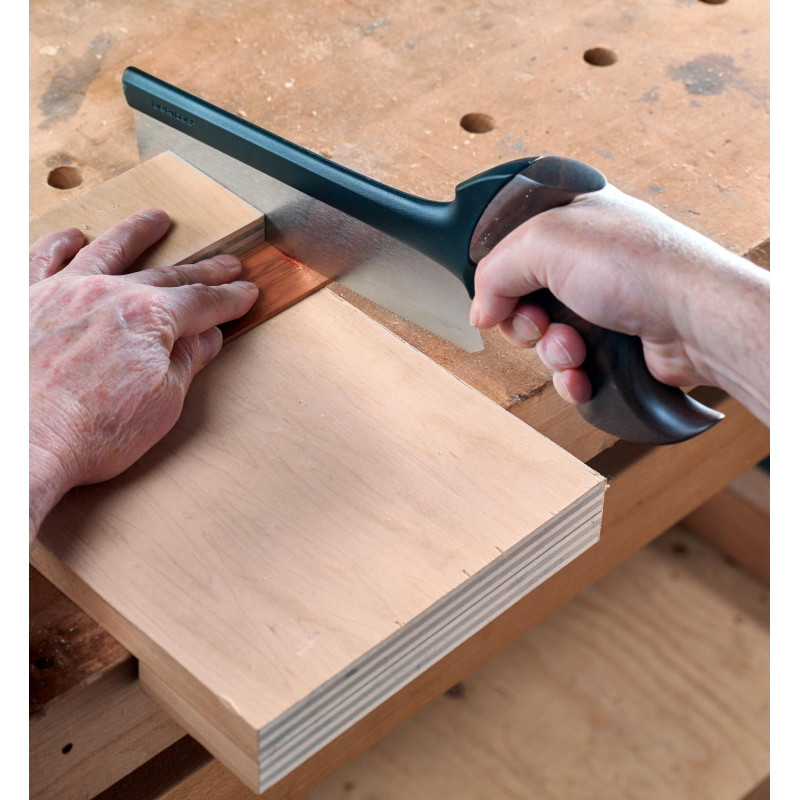
The pistol grip makes it natural to rest your index finger along the spine, which helps you saw straight.
Rip or crosscut teeth
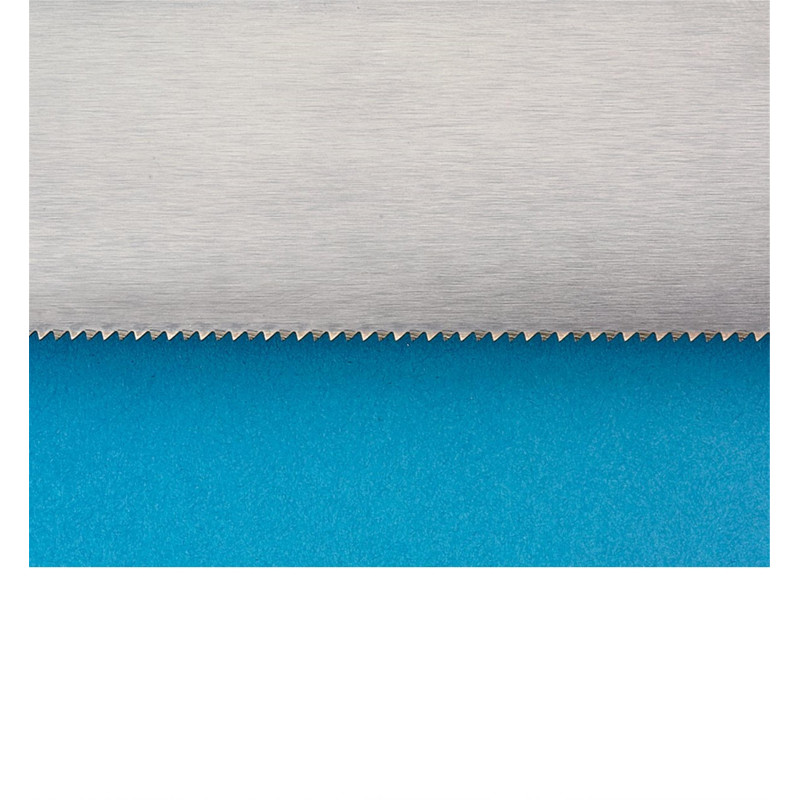
Rip
Dovetail saws are rip-filed, since dovetail cuts run with the grain. 14° rake.
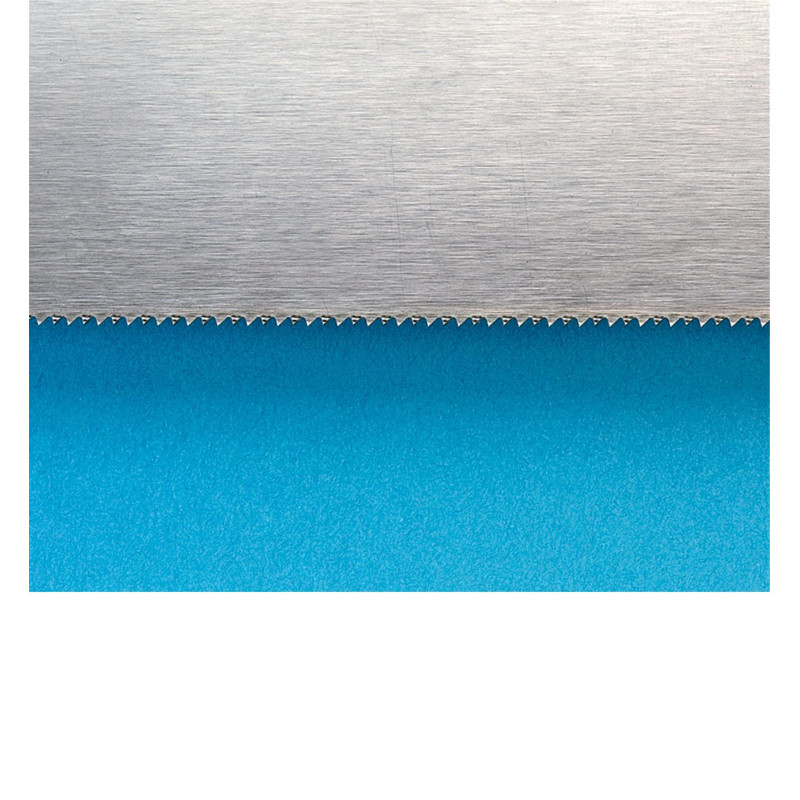
Crosscut
The teeth have alternating bevels so they sever the fibres instead of tearing them. Straighter cut and smoother surface across the grain.
Choosing a tooth count
The dovetail saw comes in 14 or 20 tpi. 14 tpi is most efficient in stock thicker than about 1/2" (12 mm), the less aggressive 20 tpi in thinner stock. As a rule, coarser teeth belong on longer saws and finer teeth on shorter ones.
For crosscuts there is a 16 tpi crosscut saw and a fine 22 tpi crosscut saw for material up to 13 mm.
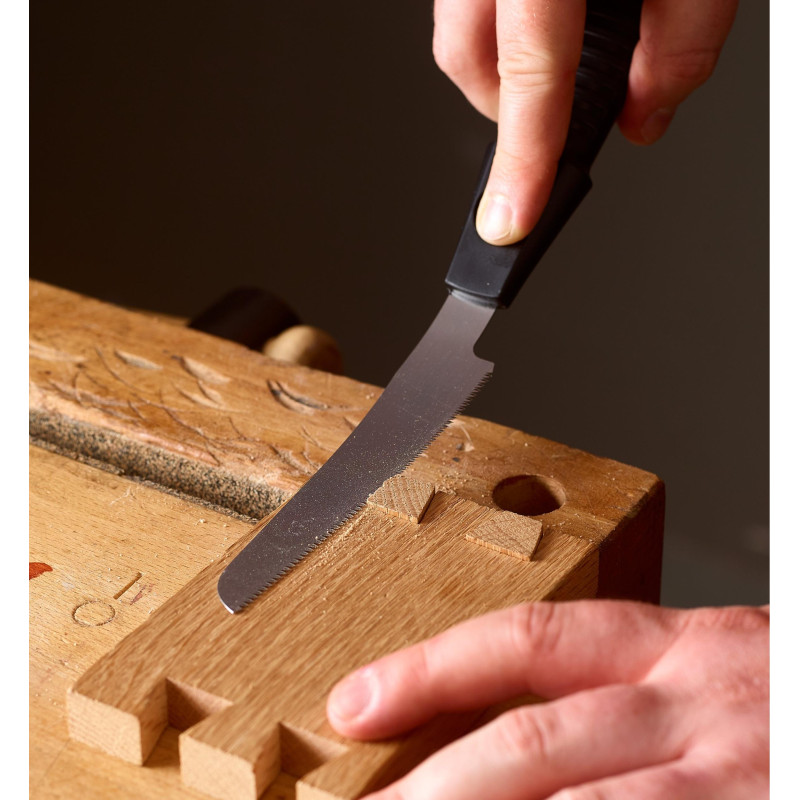
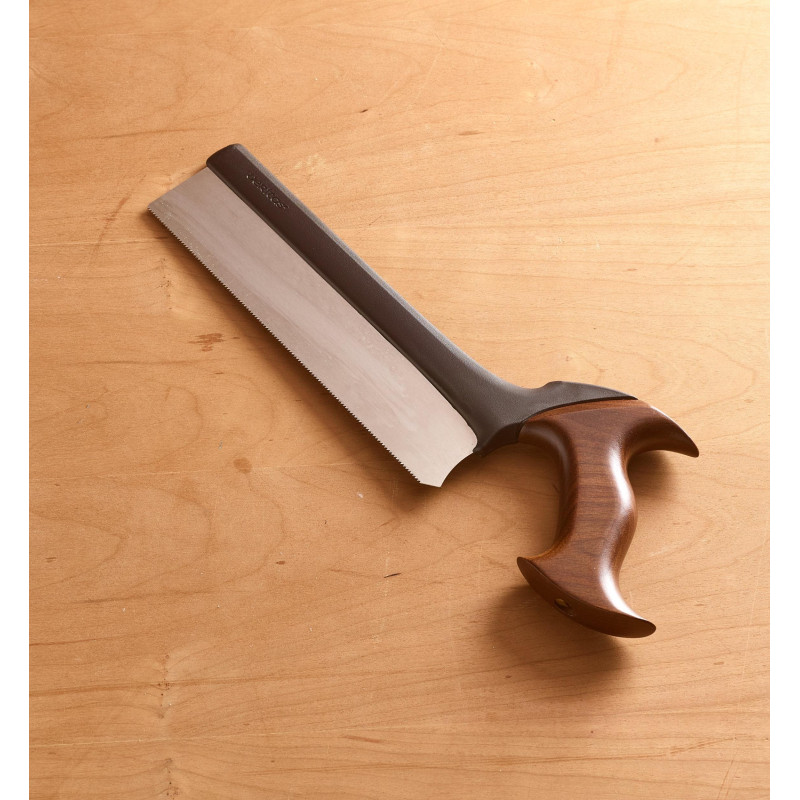
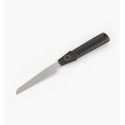
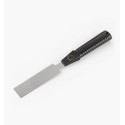
The flush-cut saw has a thin, flexible blade with unset Japanese-style teeth that can be pressed flat against the surface to trim plugs and tenons without marking the work.
Which saw should I choose?
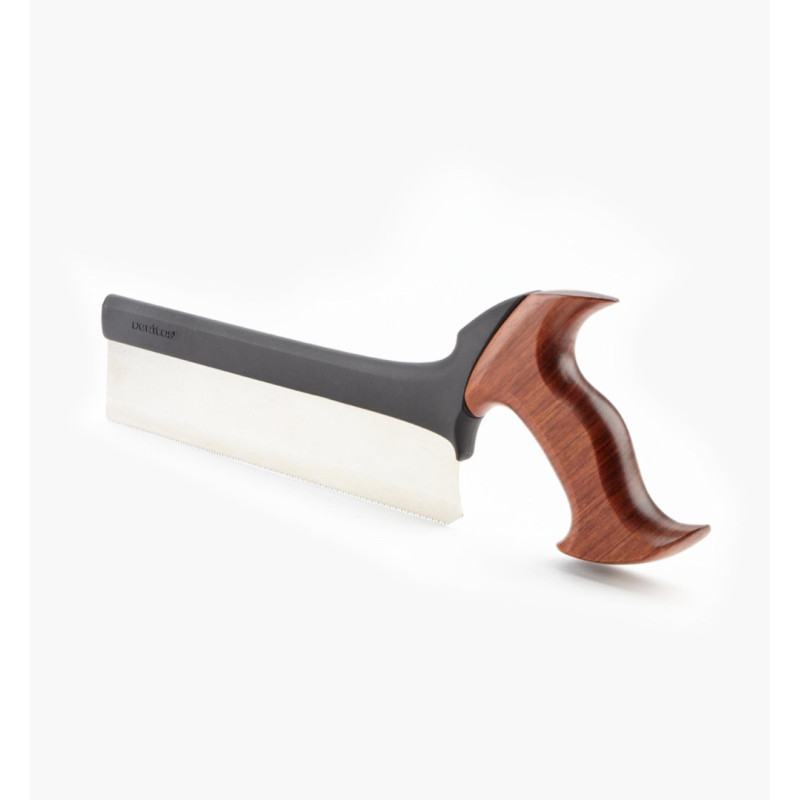
Dovetails, thick stock
14 tpi rip.
Dovetail saw 14 tpi
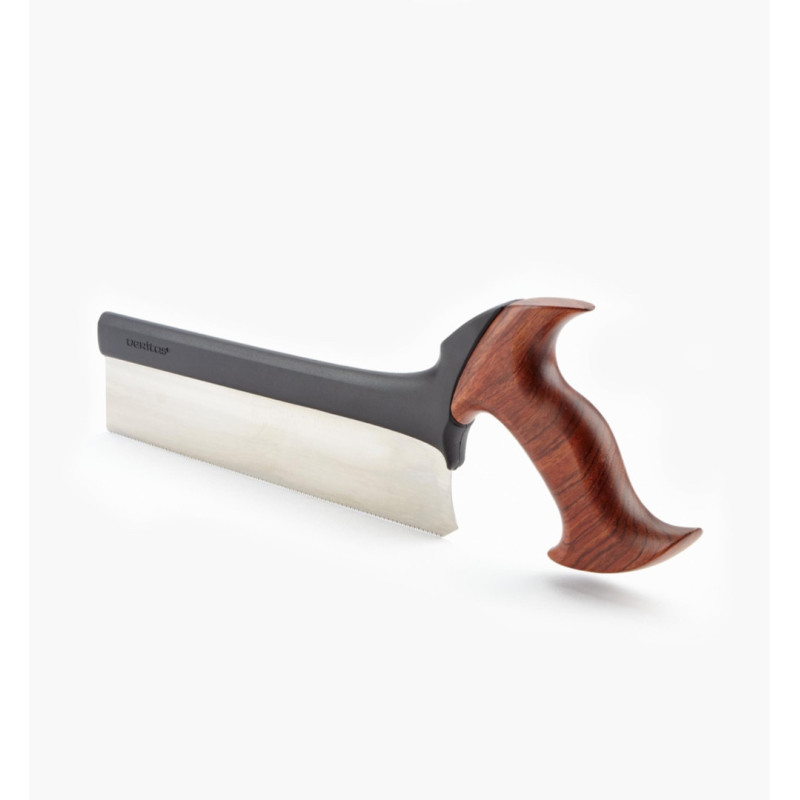
Dovetails, thin stock
20 tpi rip.
Dovetail saw 20 tpi
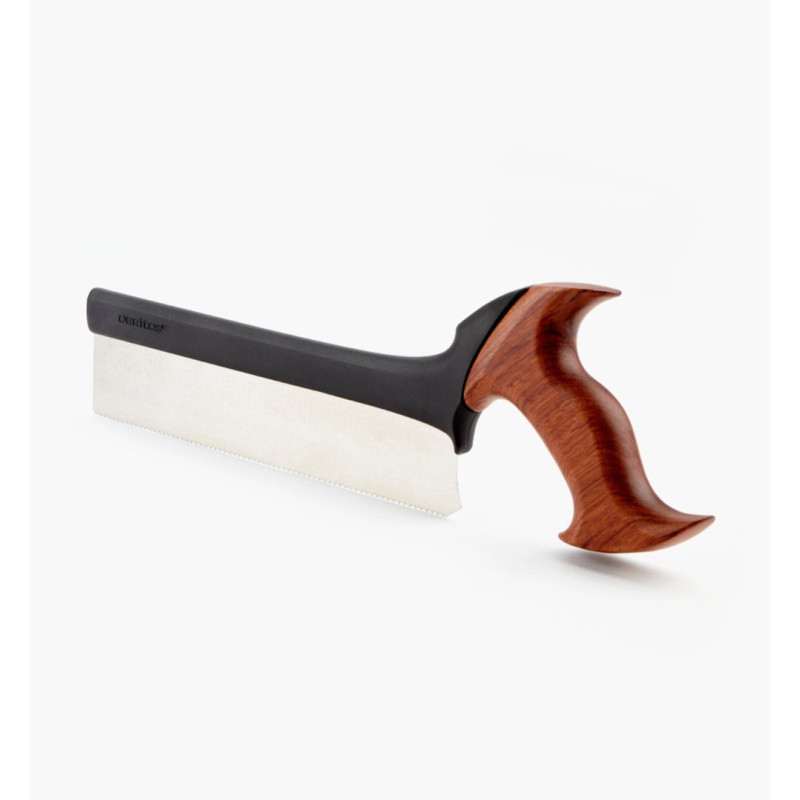
Crosscut
16 tpi crosscut.
Crosscut saw 16 tpi
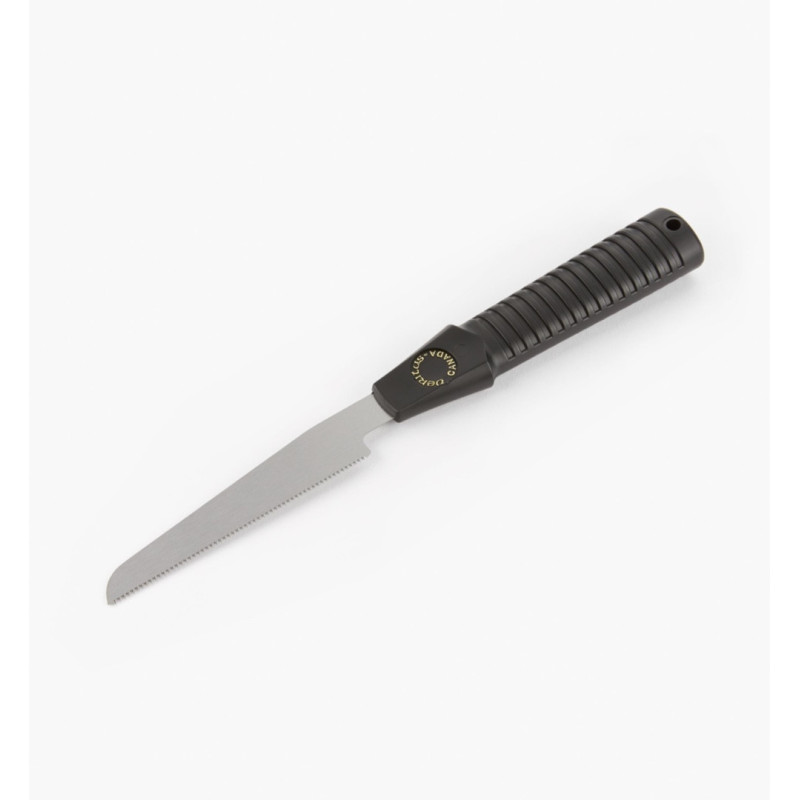
Flush cutting
26 tpi, unset teeth.
Flush-cut saw
14 or 20 tpi for dovetails?
Why is the dovetail saw rip-filed?
Can the saws be resharpened?
See the full range: Handsaws
Share this content