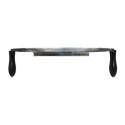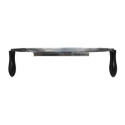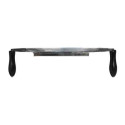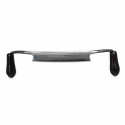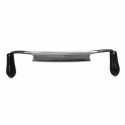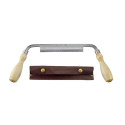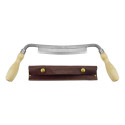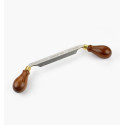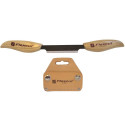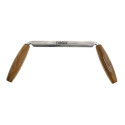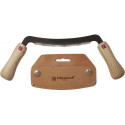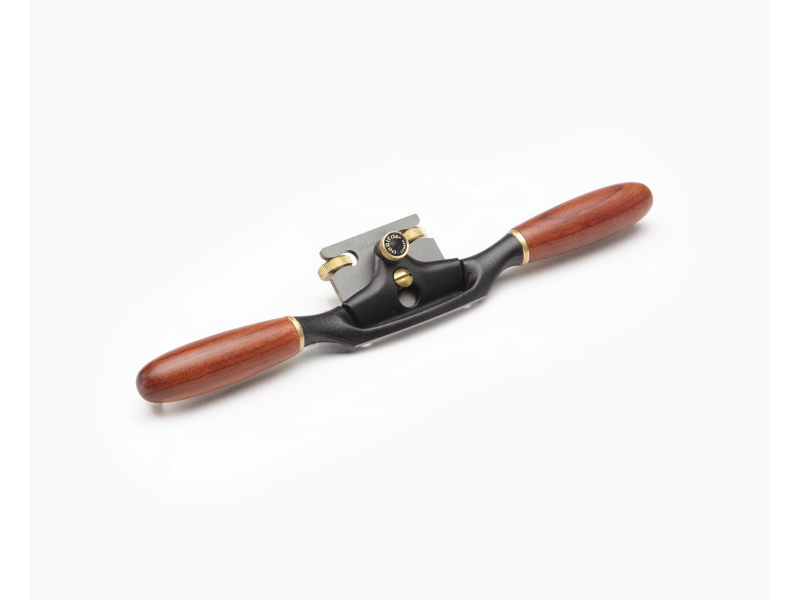
The drawknife is one of the oldest tools in green woodworking. With a wide blade and a handle at each end, you pull it towards you and remove wood quickly and with control, from rough debarking to fine rounding.
Using a drawknife
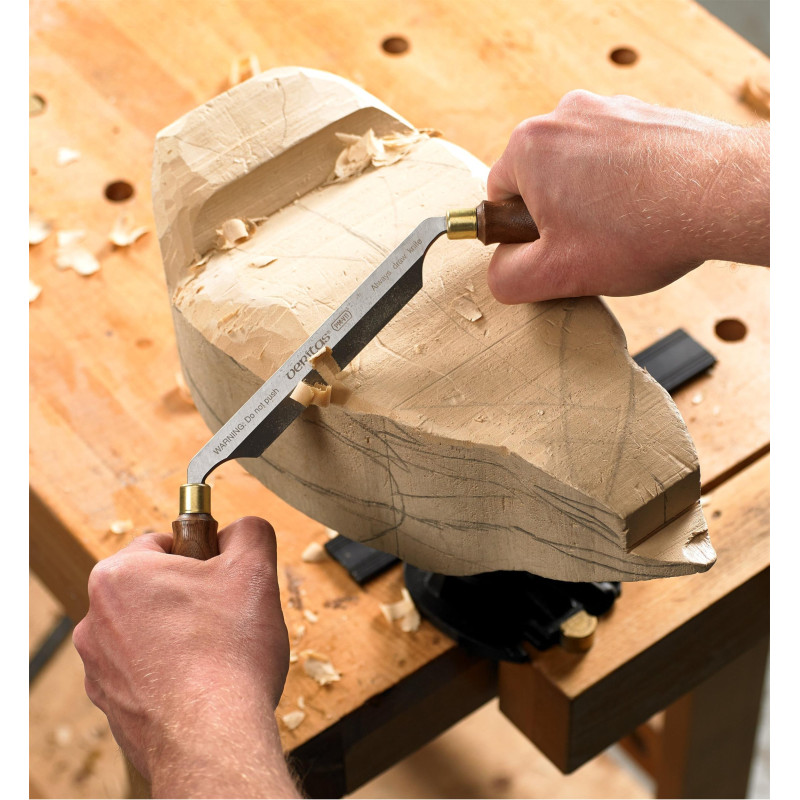
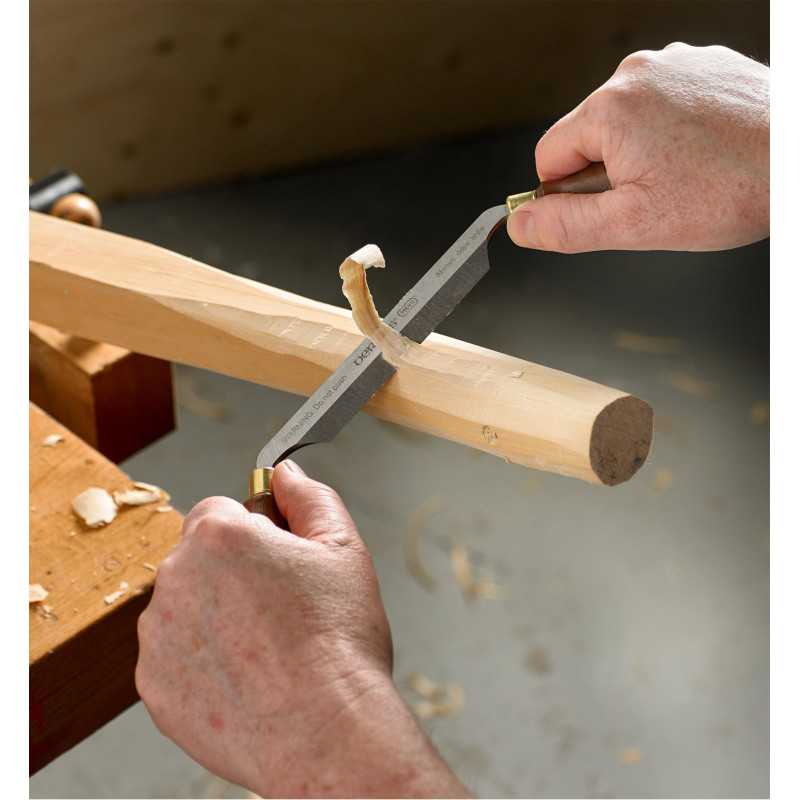
Hold the workpiece securely, ideally in a shaving horse or a vise, and pull the knife towards you with both hands. The more you tilt the blade, the thinner the shaving.
With the bevel down it is easy to control the depth and follow a curve. With the bevel up, the flat side of the blade rests on the wood, giving straight, flat cuts.
Debarking logs
For peeling bark from logs and green stock, the drawknife is the best tool. You take the bark off in long strips. Choose a large drawknife, 200 mm or more. Small carving drawknives are too small for logs.
Straight or curved?
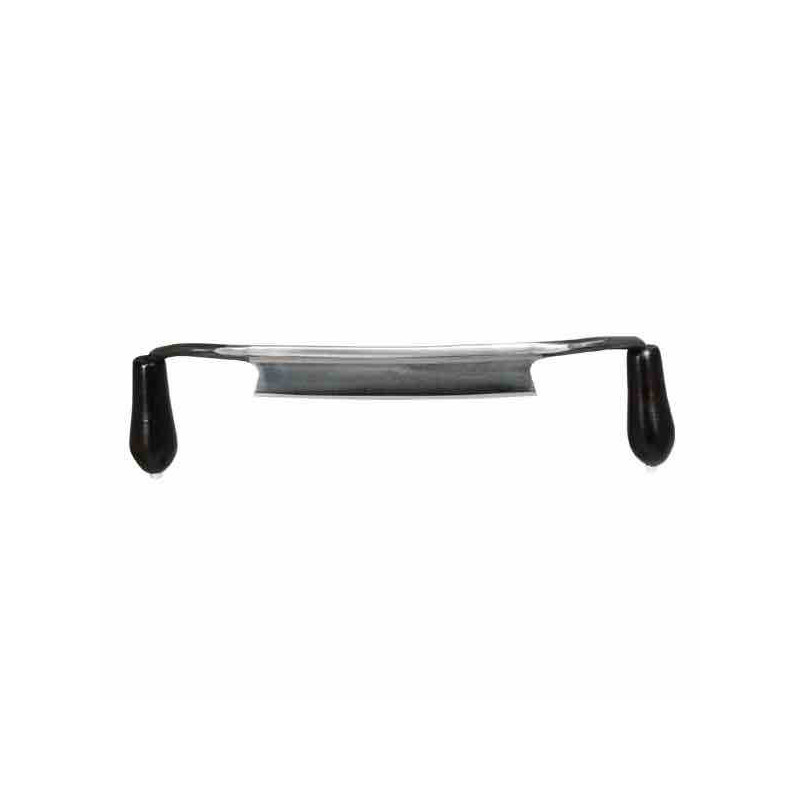
A curved drawknife follows the curve of the log better and suits hollows and concave shapes, for example seats.
A straight drawknife is easier to sharpen and gives flat surfaces. It is a good first choice if you will mostly shape straight stock.
Small drawknives for carving
For detail work there are smaller drawknives that give better control, for example when carving bird figures or rounding chair legs. The Veritas carver's drawknife has a 102 mm PM-V11 blade, and the small Flexcut drawknife with a 75 mm blade also works well for peeling bark on small stock and rounding edges.
Sharpening a drawknife safely
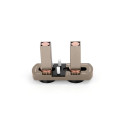
A drawknife can be awkward to sharpen, because the blade is long and the edge faces you. The Galbert Drawsharp is a jig that keeps your fingers behind the edge and gives even, repeatable sharpening. Abrasives are included.
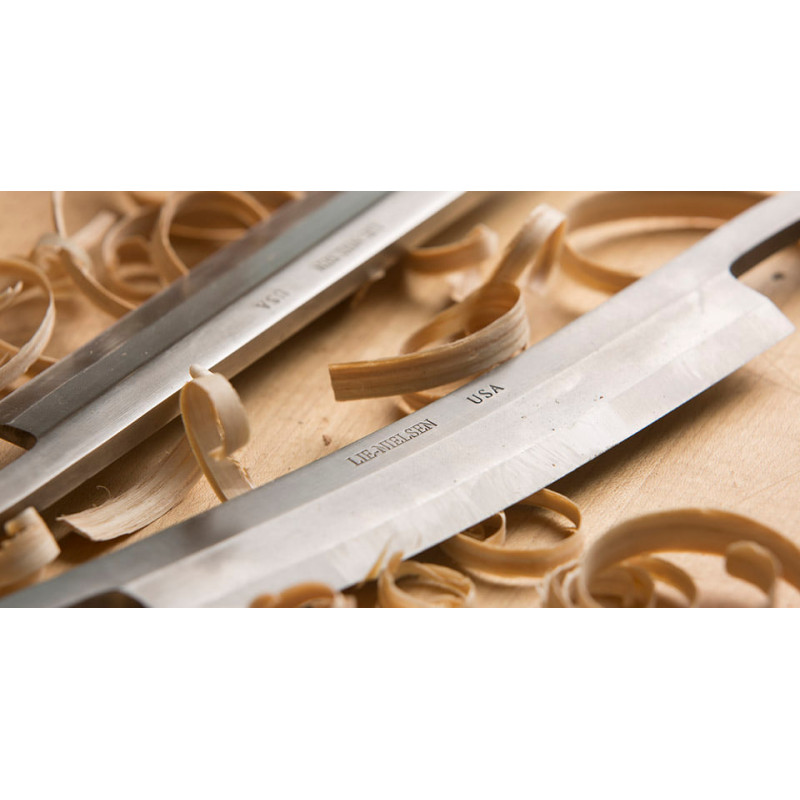
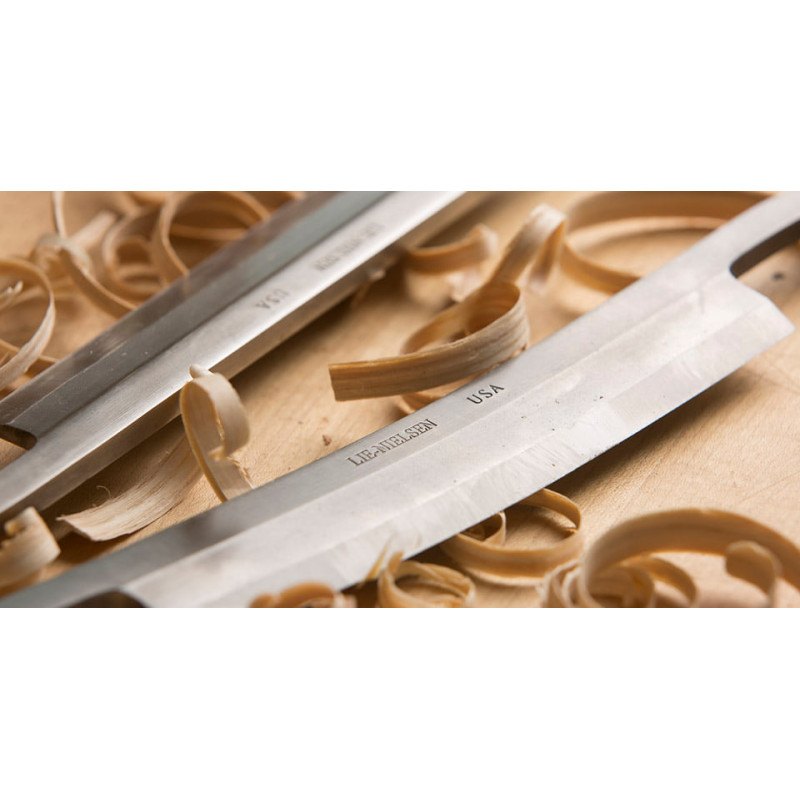
Protect the edge when the knife is not in use. Narex drawknives come with a leather edge guard, and Lie-Nielsen's with a leather sheath.
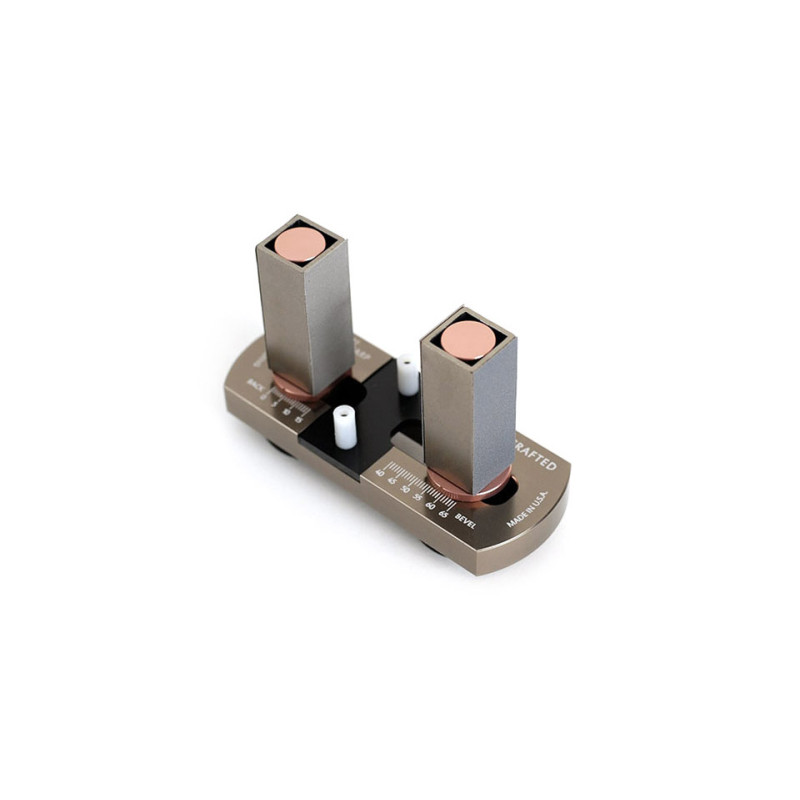
Which drawknife should I choose?
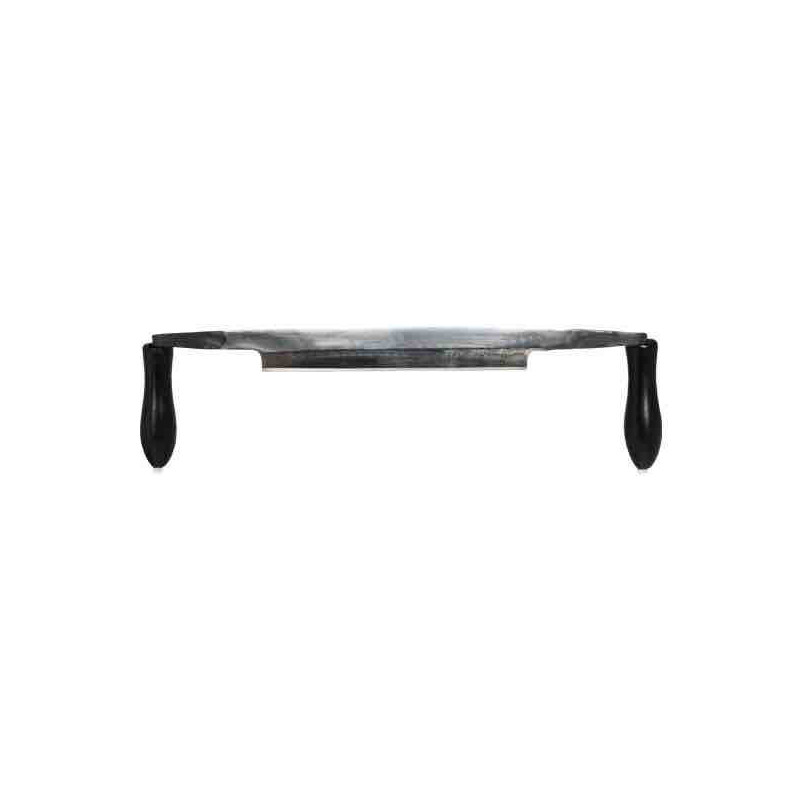
Straight, for debarking
Forged blade, 200–260 mm.
Narex Straight Drawknife
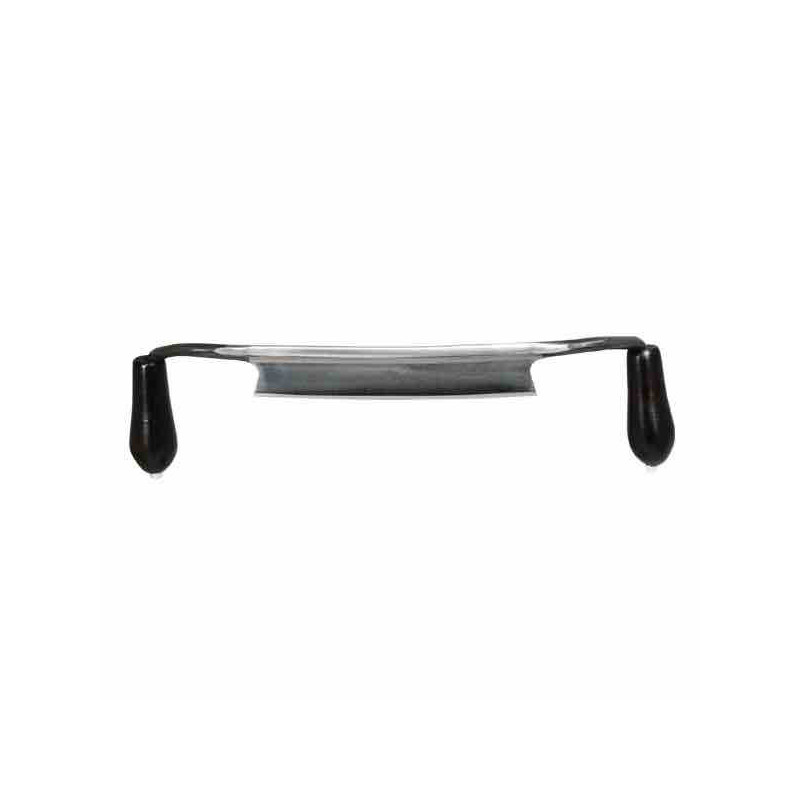
Curved
Follows curves, 240–280 mm.
Narex Curved Drawknife

Lie-Nielsen
O1 steel 178 mm, straight or curved, with leather sheath.
Lie-Nielsen Drawknife

For carving
Small PM-V11 blade for detail work.
Veritas Carver's Drawknife
How large a drawknife do I need for debarking logs?
Should the bevel face up or down?
How do I hold the workpiece?
See the full range: Drawknives
Share this content