A good wood bit leaves a clean entry and smooth walls. Bits with a centre point and spurs give very clean, neat holes, and the Jennings-type auger bit is a classic for the brace.
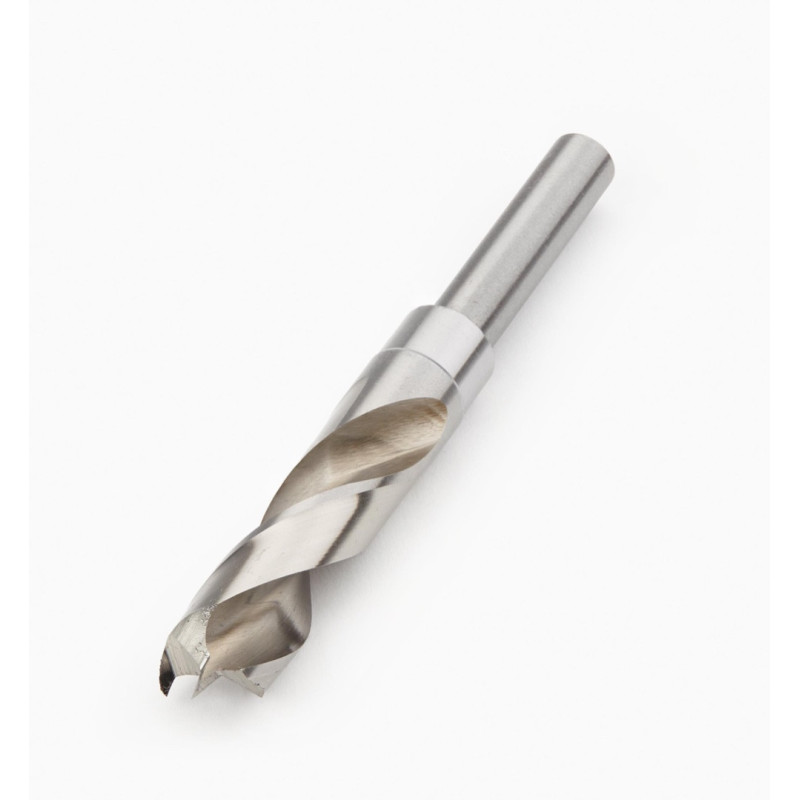
Clean holes with spurs
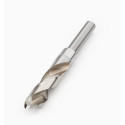
On a brad point bit the centre point guides the bit and the spurs score the rim of the hole, so the entry is clean and the walls smooth. A tip is to run the bit in reverse for a moment at the start, so the spurs score the rim, and then drill as usual.
Lee Valley's HSS brad point bits are ground on a Swiss CNC grinder and, according to Lee Valley, stay sharp about ten times as long as carbon steel bits.
Three kinds of wood bit
Brad point
Centre point and spurs for clean holes with a drill.
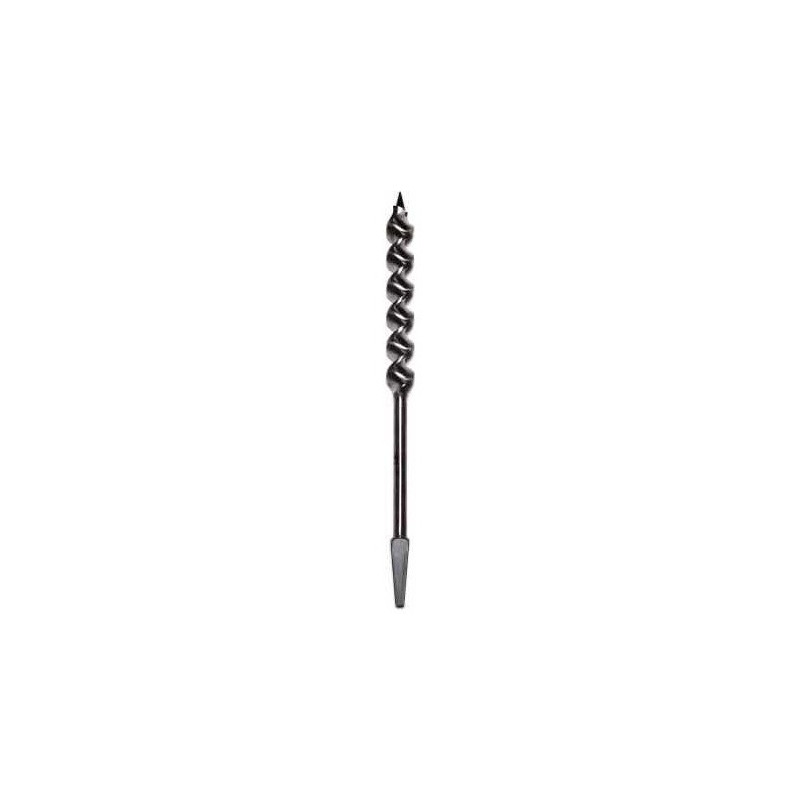
Jennings auger
Threaded lead screw and two spurs, square tapered shank for the brace.
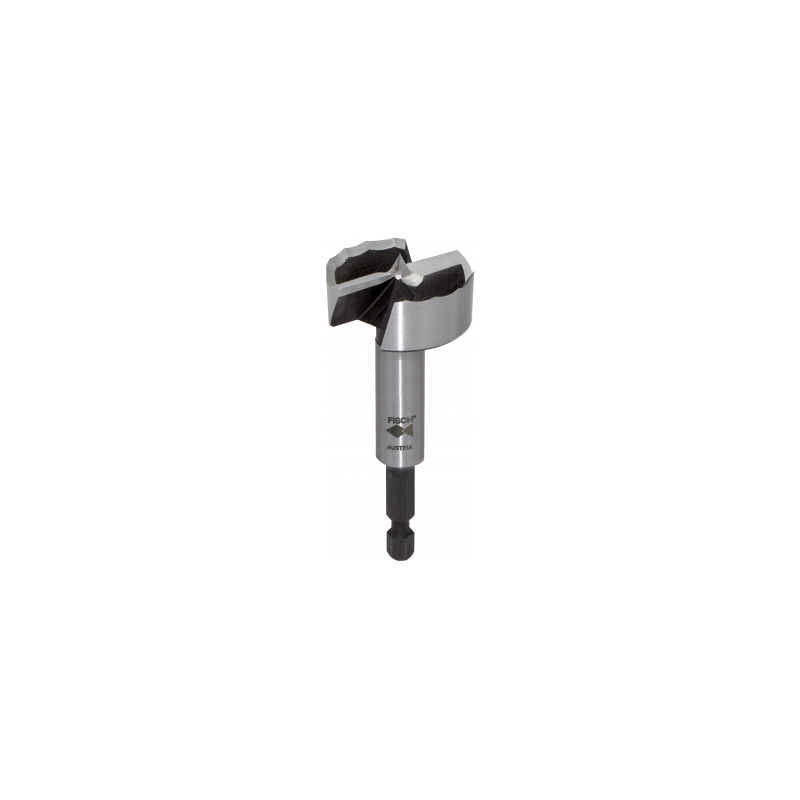
Forstner
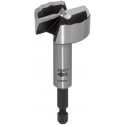
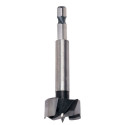
Flat-bottomed holes with a centre point and two cutters.
The Jennings auger bit
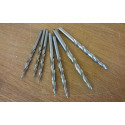
Jennings-type auger bits are sometimes called double-twist bits. Russell Jennings received his American patent in 1855. Unlike the Irwin type, for example, the Jennings bit has two twists running the full length of the bit, which gives a very straight, clean hole.
The two spurs sever the wood fibres while the threaded lead screw pulls the bit through the wood. The square tapered shank fits braces with a two-jaw chuck; the bits are for hand power only, not for a drill.
Which bit should I choose?
Drill, bench holes
Brad point 3/4", HSS.
Lee Valley 3/4"
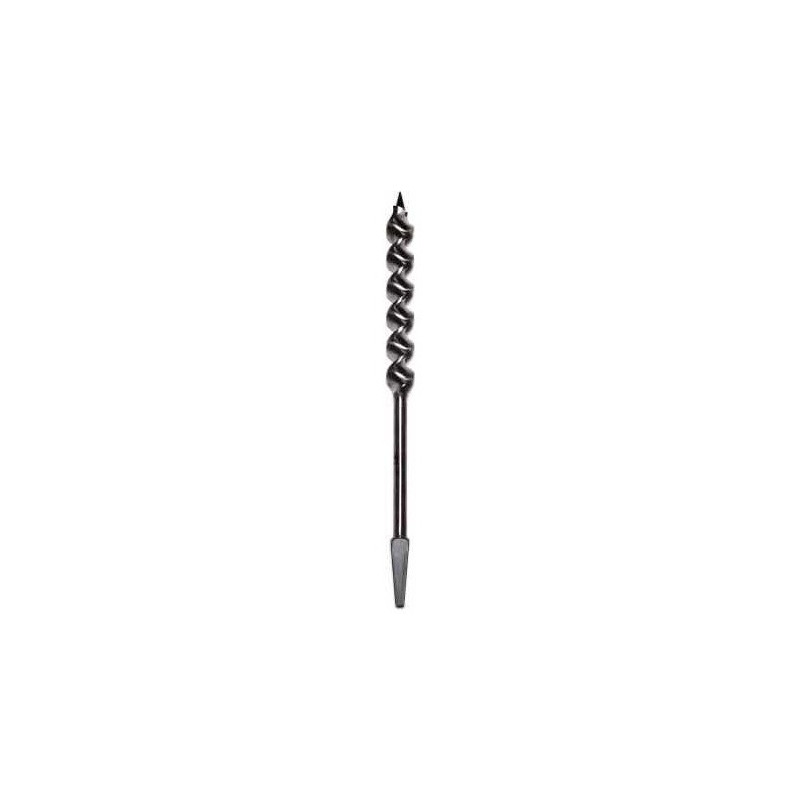
Brace, small
Jennings 1/2" (12.7 mm).
Jennings 1/2"
Brace, large
Jennings 3/4" (19.1 mm).
Jennings 3/4"
Flat-bottomed holes
Forstner set, 15–35 mm.
Fisch Wave Cutter
How do I get a clean entry hole?
Can a Jennings auger bit be used in a drill?
What is a Jennings bit?
See the full range: Wood Drill Bits
Share this content