Woodturning has been practised for many generations. In the 17th and 18th centuries it was seen as a gentleman's hobby, and today it has many practitioners, from beginners with a small lathe to professional turners. The big choice is between tools with replaceable carbide cutters and traditional high-speed steel (HSS) tools.
Carbide or HSS?
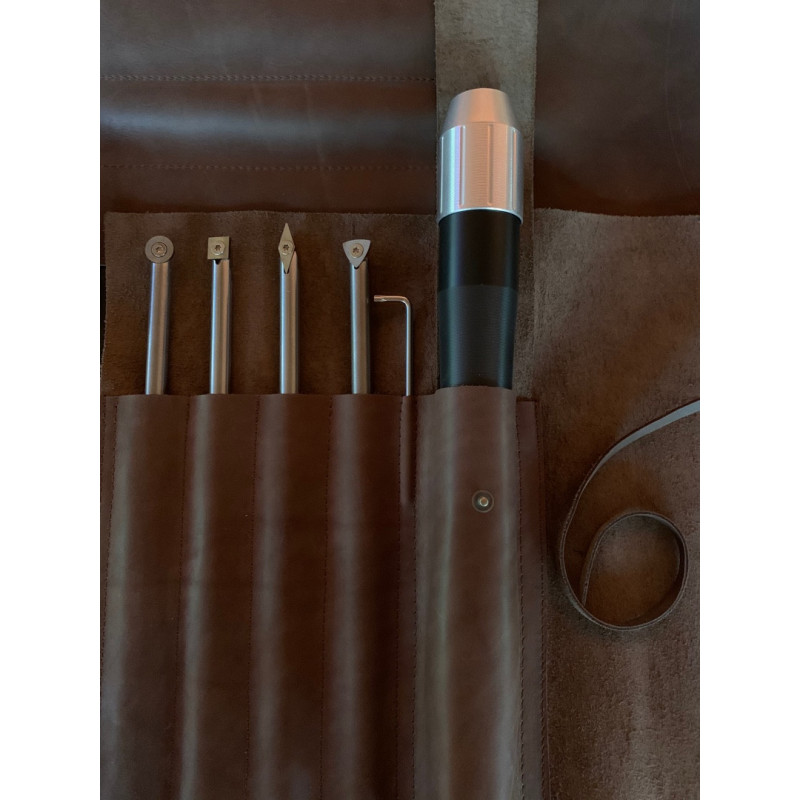
Tools with replaceable cutters, such as Easy Wood Tools and BlackLine, have a carbide cutter that does not need sharpening. They are easy to learn and suit beginners well.
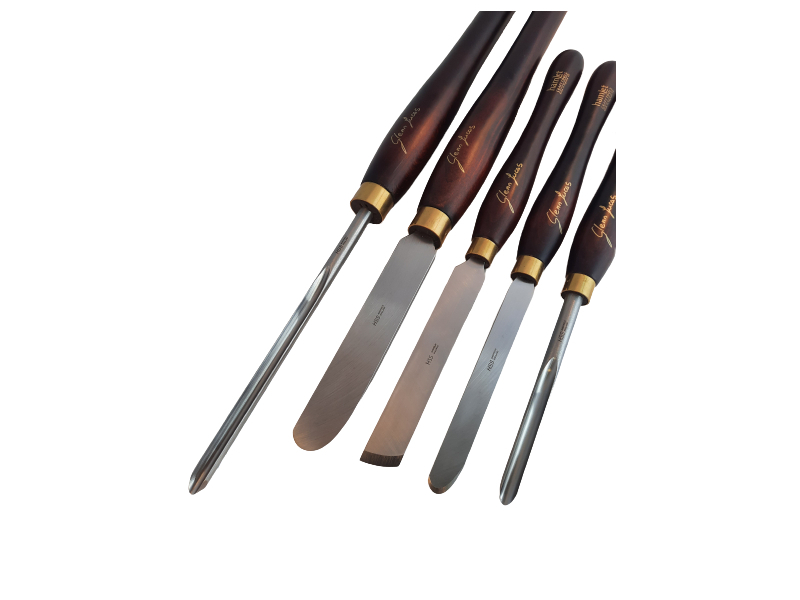
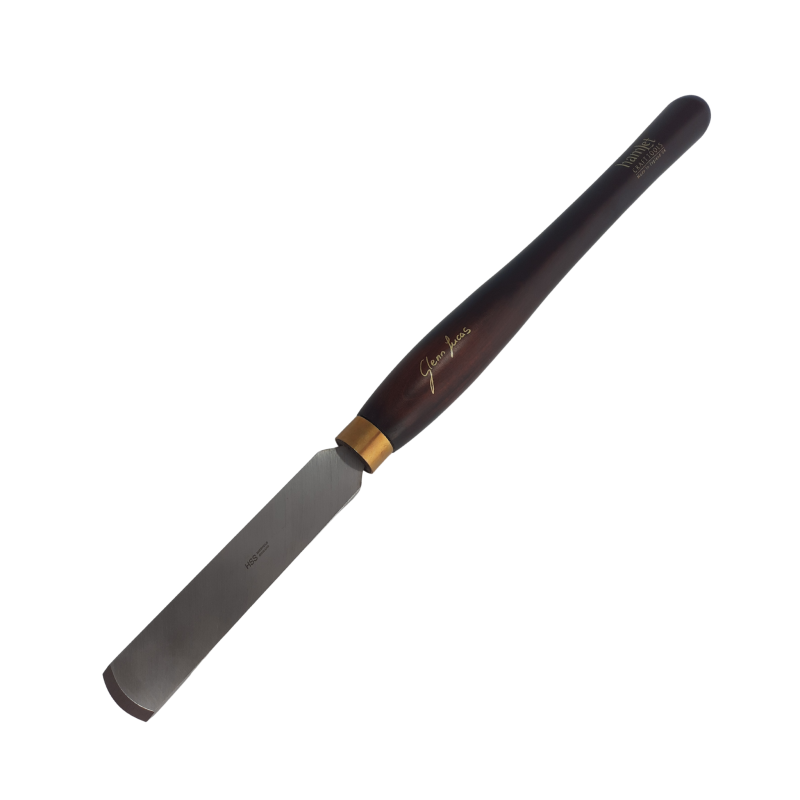
Traditional HSS tools, such as Narex and the Glenn Lucas range from Henry Taylor, are resharpened and give more possibilities in cutting technique, but need more practice.
Two ways to cut
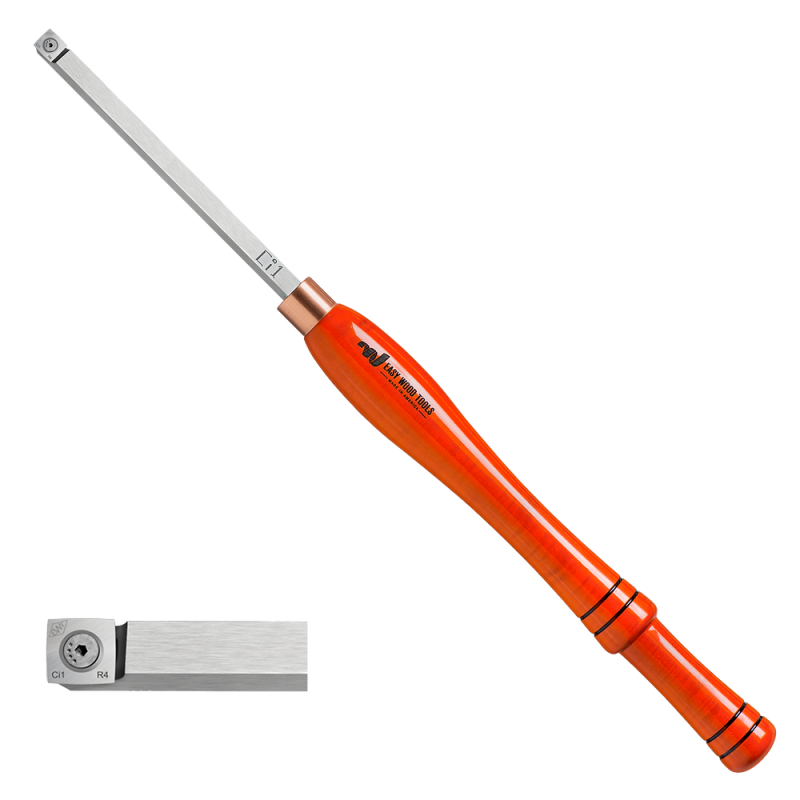
Carbide cutter
Held flat, horizontal on the tool rest. Turn or replace the cutter instead of sharpening.
HSS tools
Gouges ride on the bevel, scrapers take light scraping cuts. Resharpened on a grinder.
The Glenn Lucas range
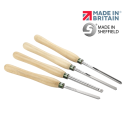
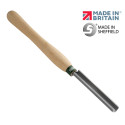
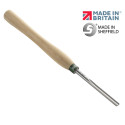
Henry Taylor in Sheffield developed the range to the specifications of the Irish bowl turner Glenn Lucas. The HSS blades are forged, hardened, tempered and hardness-tested for long edge life.
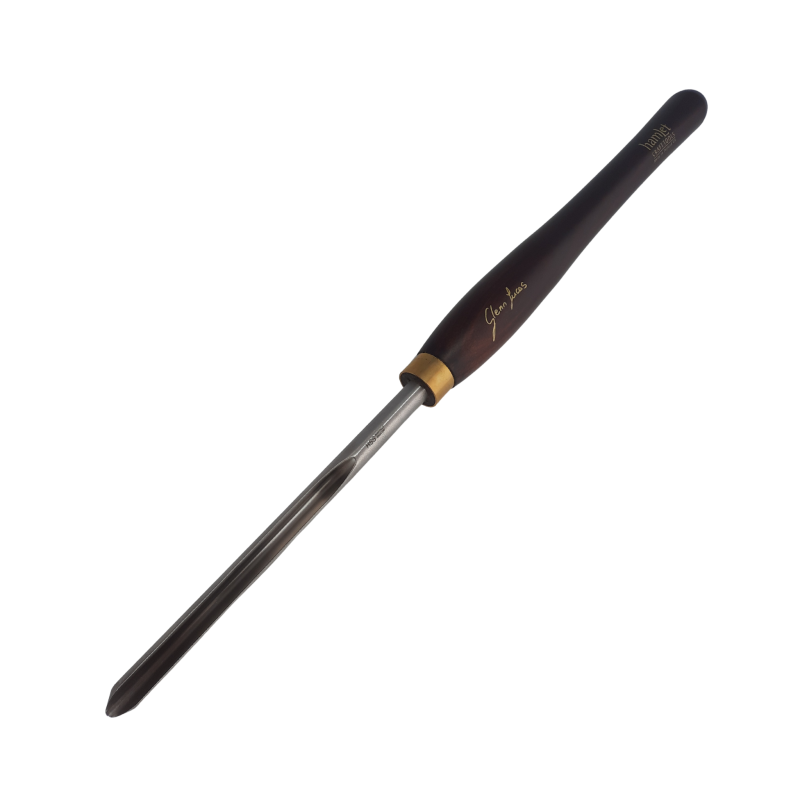
The bowl gouge has a swept-back double bevel of 55° for fast removal and a fine finish, and the bevel helps you keep bevel support far down in the bowl. Glenn Lucas recommends it as an all-round bowl gouge.
Which tool should I choose?
Carbide, roughing
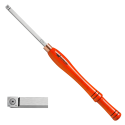
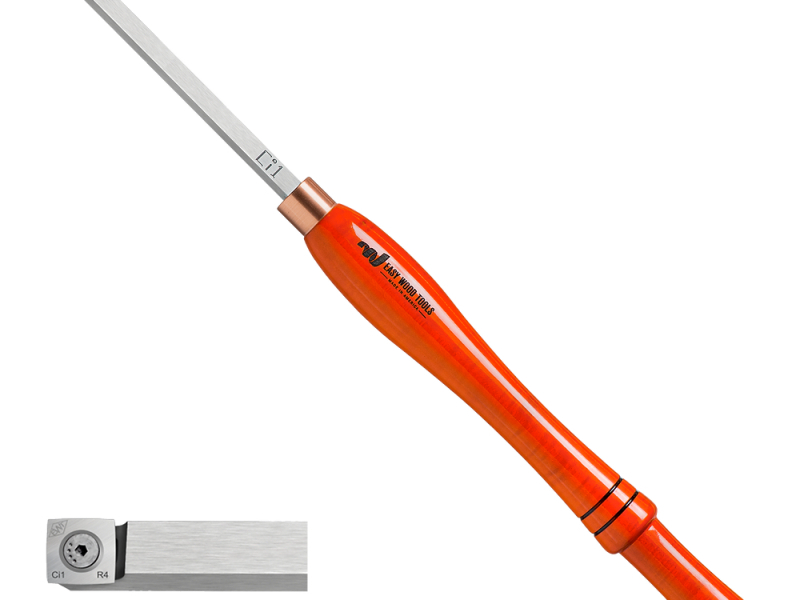
Easy Rougher, cutter Ci1-R4.
Easy Rougher
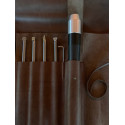
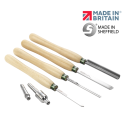
Carbide set
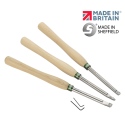
Three tools, suited to pen turning.
BlackLine Midi Short Moly
HSS, bowls
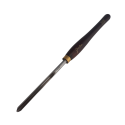
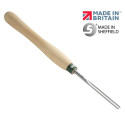
Bowl gouge, 55° double bevel.
Glenn Lucas bowl gouge
HSS, curves
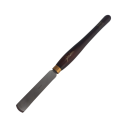
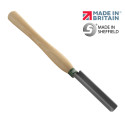
Round nose scraper, 35 mm.
Glenn Lucas scraper
Which turning tools suit a beginner?
Why choose traditional HSS tools?
What is the Glenn Lucas range?
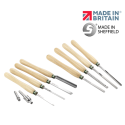
See the full range: Turning Tools
Share this content