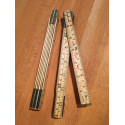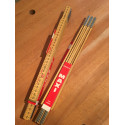
The Swedish name for the folding rule, tumstock ("inch stick"), comes from the fact that it was originally graduated in inches. Today it is usually metric, and is then sometimes called a meterstock. The folding rule is said to have been invented by the Swede Karl-Hilmer Johansson Kollén in 1883.
Swedish manufacturers
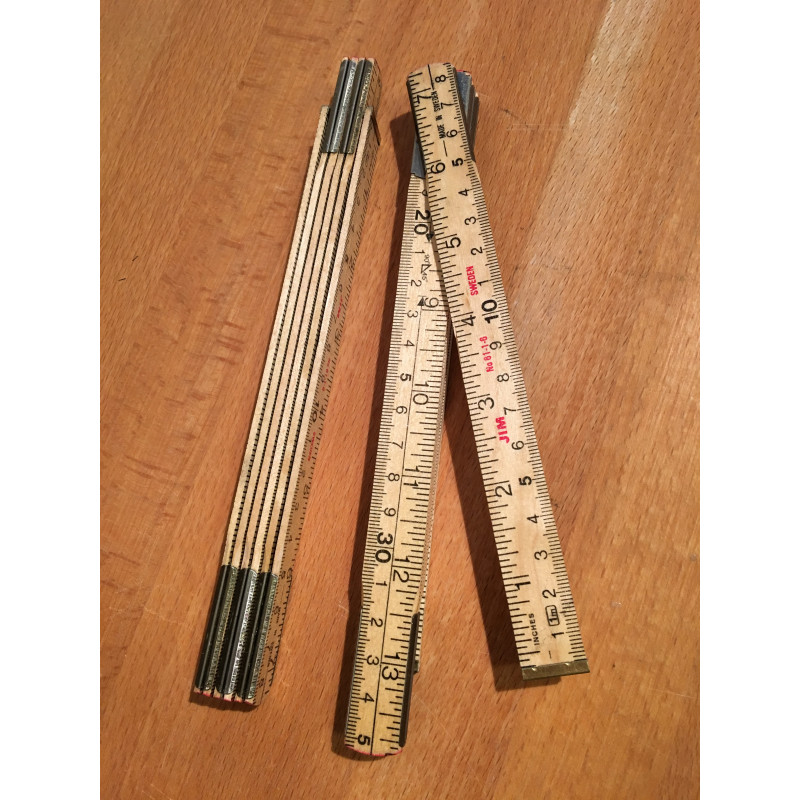
Hultafors today owns most of the old Swedish makers, including Mellösaverken. Both the Mellösa and Hultafors rules we sell are graduated in both millimetres and inches.
Folding rule or steel rule?
Wooden folding rule
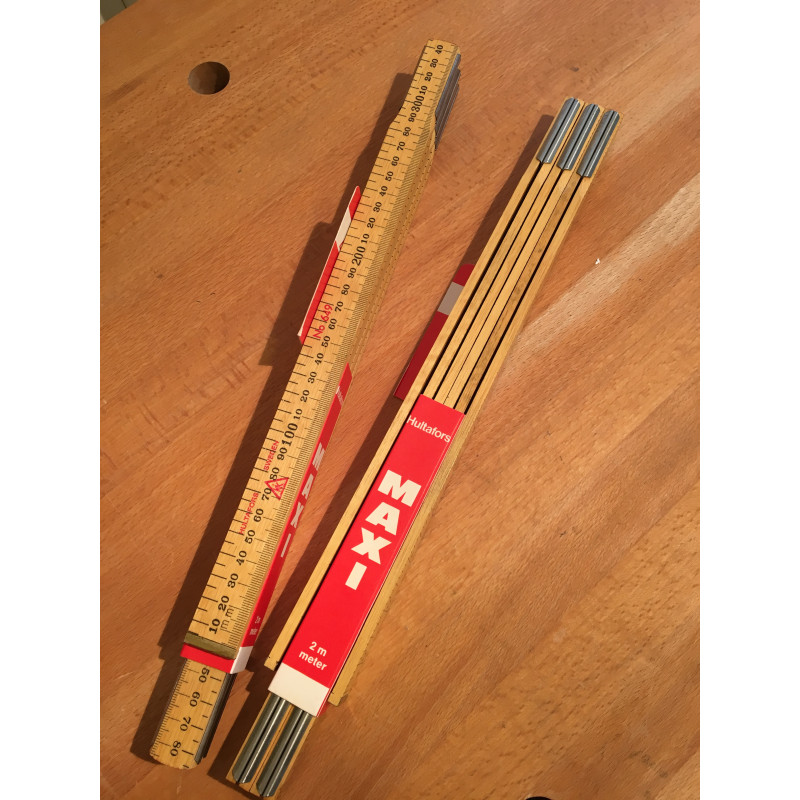
Folds into 20 or 40 cm sections and fits in a pocket. Classic for joinery and building.
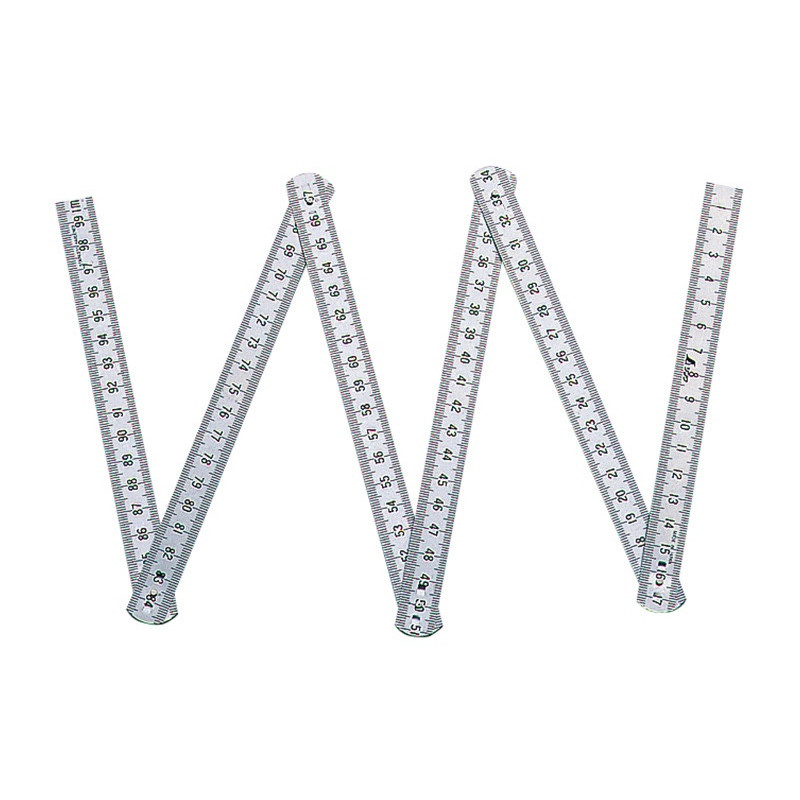
Steel folding rule
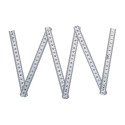
Thin, polished stainless steel, 1 mm scale on both edges, only 64 g.
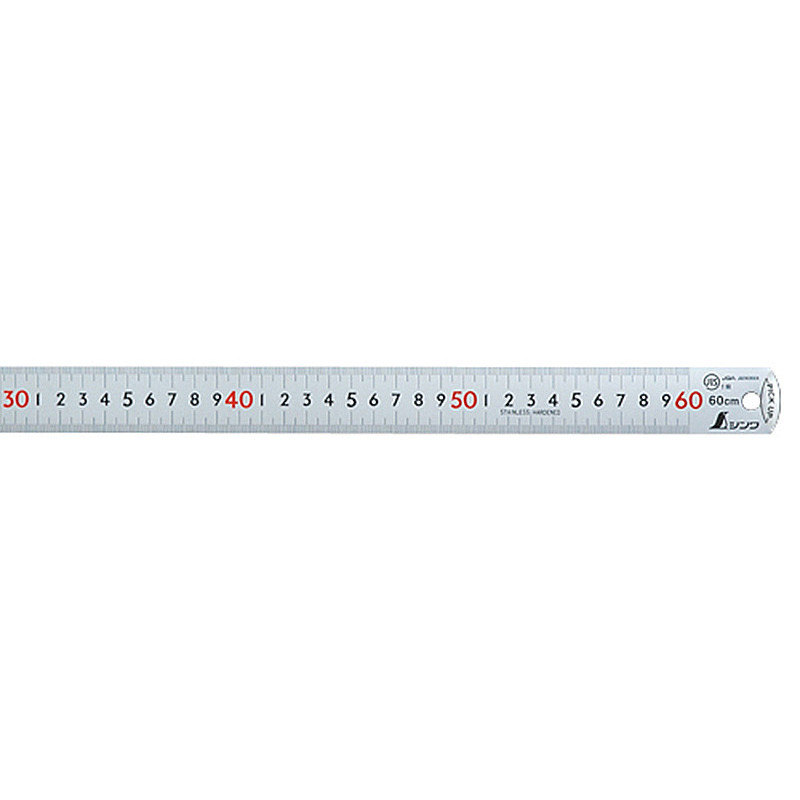
Steel rule
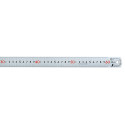
Rigid and accurate for marking out at the bench, JIS class 1.
One metre or two?
The Mellösa JIM is 1 metre and folds into 20 cm sections. The Hultafors Maxi is 2 metres and folds into 40 cm sections. The Shinwa stainless folding rule is 1 metre in six sections and measures 1000 × 15 × 0.5 mm.
Which rule should I choose?
Pocket size
1 m, mm and inch, 20 cm sections.
Mellösa JIM
Two metres
2 m, mm and inch, 40 cm sections.
Hultafors Maxi
Stainless
1 m, six sections, 64 g.
Shinwa folding rule
At the bench
Steel rule 60 cm, JIS class 1.
Shinwa 60 cm
Who invented the folding rule?
Why is it called tumstock in Swedish?
Do your folding rules have both mm and inches?
See the full range: Wooden Rulers and Folding Rules
Share this content