Ron Hock has been making tools since 1981. He started with knives but was persuaded by students at James Krenov's woodworking school in Fort Bragg to make plane blades, and since then it has mostly been tools for woodworking. Hock is now owned by Lee Valley but keeps its own name.
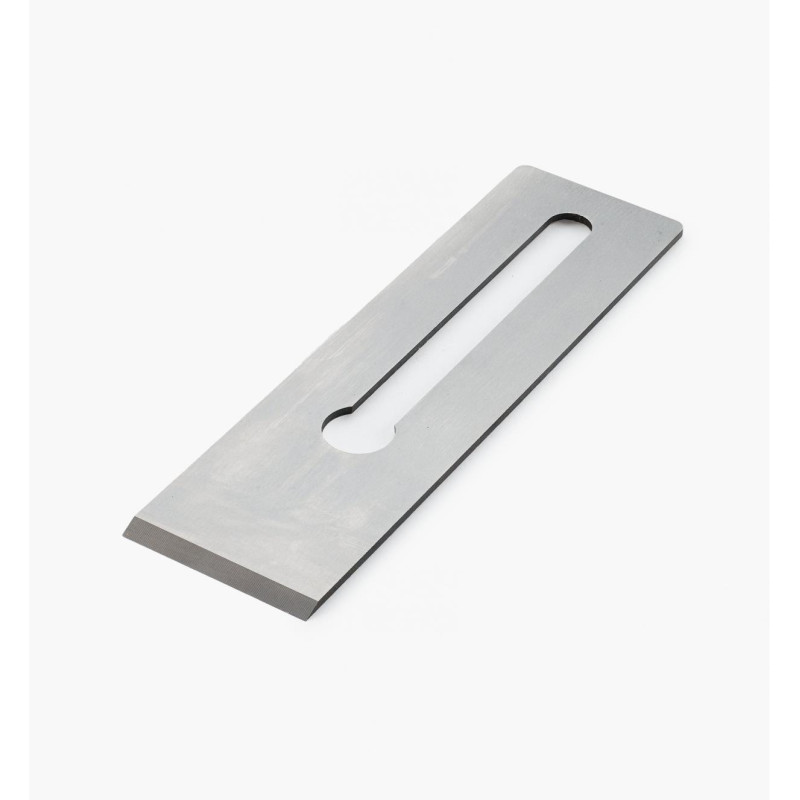
Thicker than the original
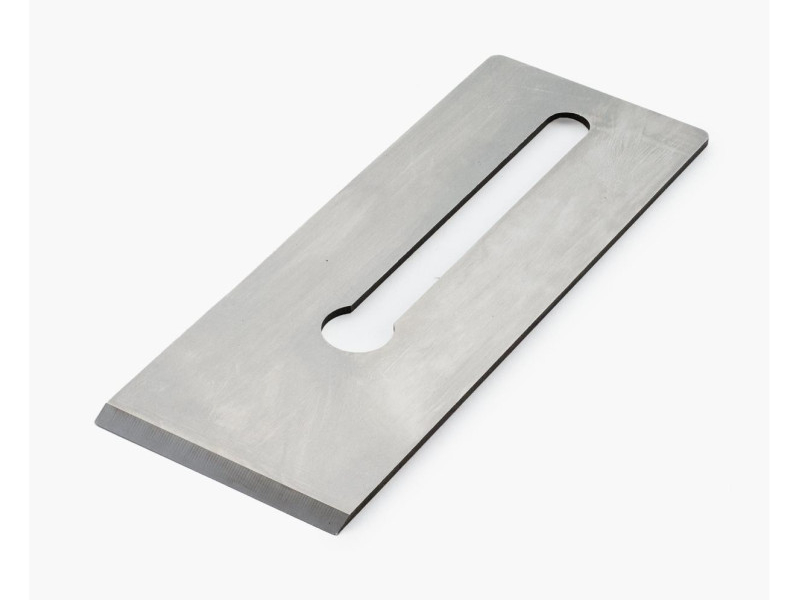
Hock blades are thicker than the original blades and suit anyone restoring an older plane who wants to upgrade it. Check the width of the blade, and that the mouth in the sole is large enough for a thicker blade. Ron Hock has also written the book The Perfect Edge on sharpening edge tools.
O1 or A2?
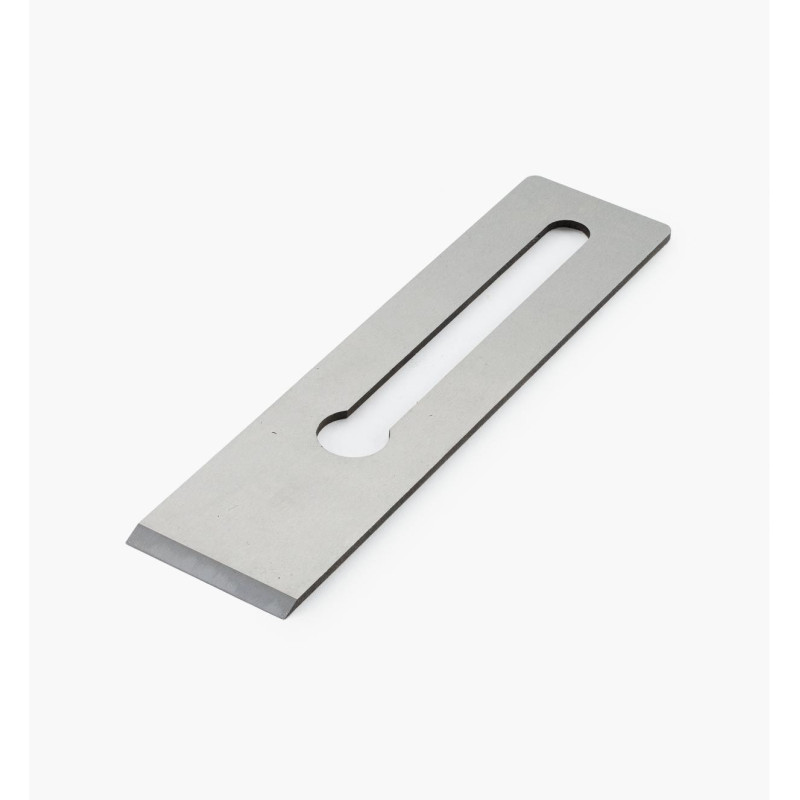
O1
High-carbon steel that sharpens easily to a keen edge.
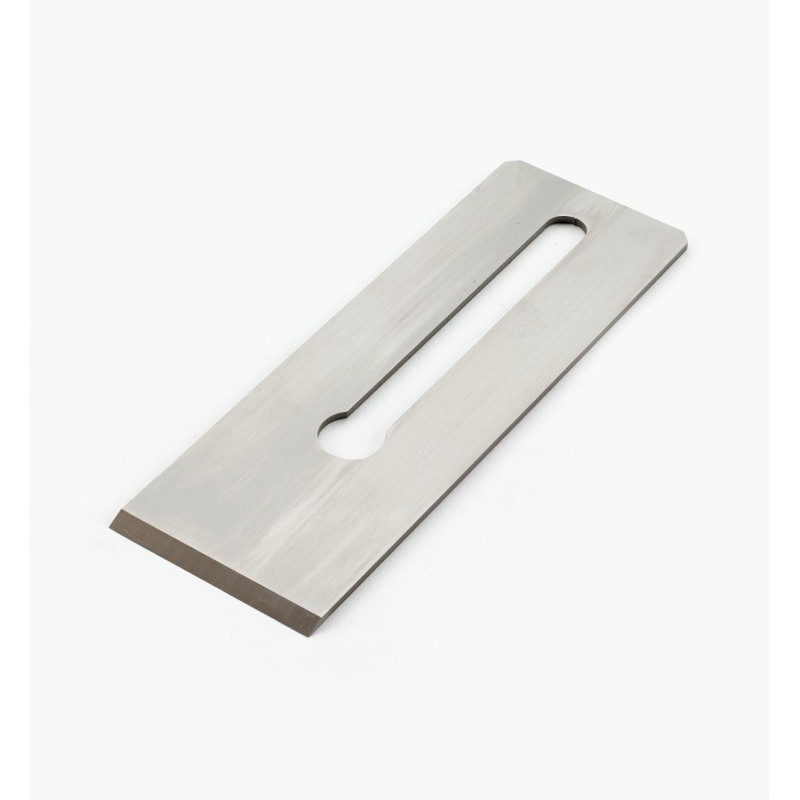
A2
Cryogenically treated A2 that holds its edge longer.
Blades and chipbreakers
Hock blades are 3/32" thick and 7" long and fit 99.9 % of Stanley- and Record-type planes without changes other than a simple adjustment of the mouth. The Hock chipbreakers are 3 mm thick, almost twice as thick as a standard original, which stabilises the edge and reduces chatter.
Read how to fit them in Upgrading the Blade in a Vintage Bench Plane.
Which blade should I choose?
Long edge life
A2, No. 4½, 5½, 6 and 7.
Hock A2 No. 4½–7
Small smoother
O1, No. 3.
Hock No. 3
Older planes
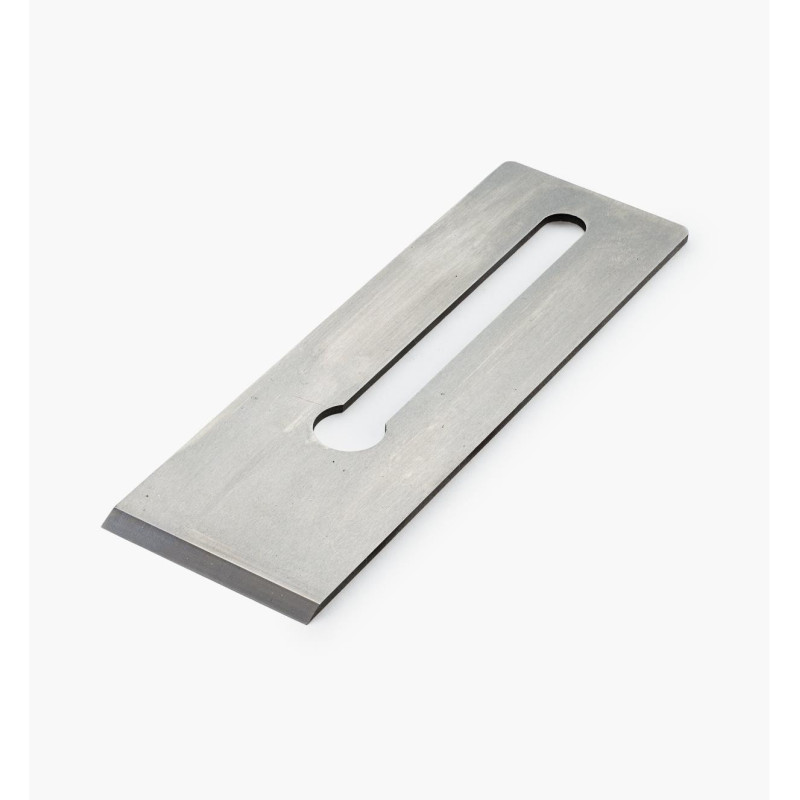
O1, older No. 5½.
Hock older No. 5½
Chipbreaker
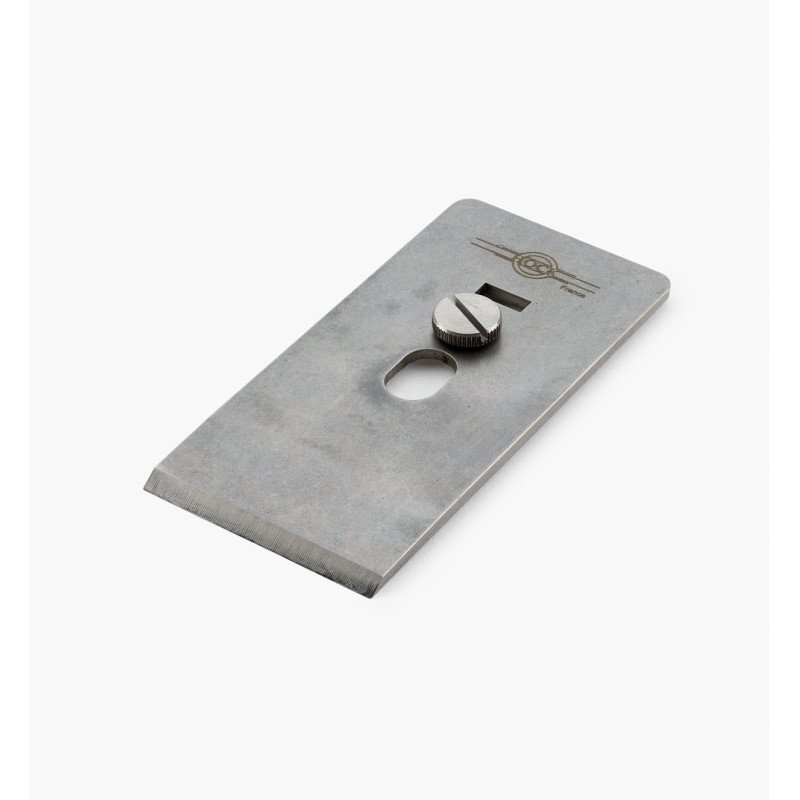
60 mm, 3 mm thick.
Chipbreaker No. 4½–7
Who is Ron Hock?
O1 or A2?
What should I check before buying?
See the full range: Hock Plane Blades
Share this content