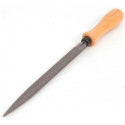
A rasp shapes wood quickly and with control. The cut tells you how close the teeth are: a low number gives a coarse rasp that removes a lot of material fast, a high number gives a finer surface. Liogier's rasps are hand-cut in France.
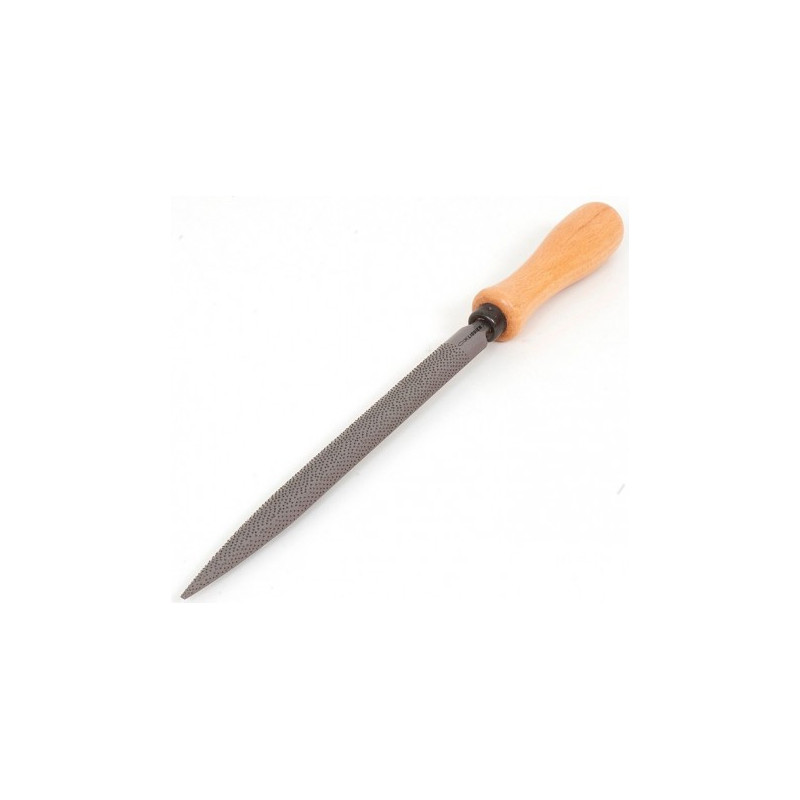
Coarse and fine
Many choose a coarse and a fine rasp in the same shape, so they can go from rough shaping to finish. On a flat rasp marked 9/6 or 13/10, the two numbers give the cut on the two faces, so one rasp can serve for both stages.
Shapes
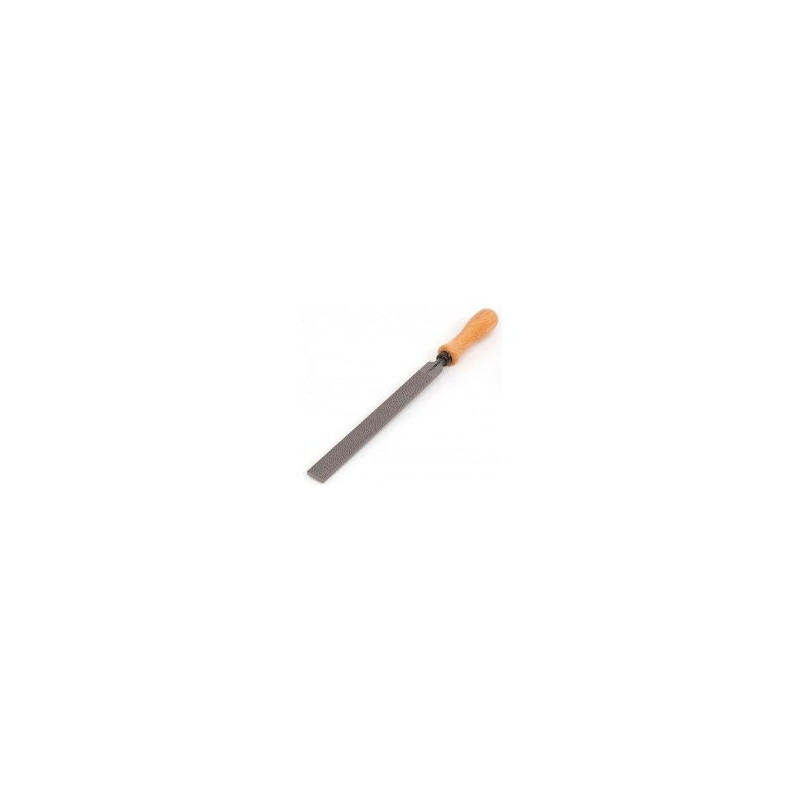
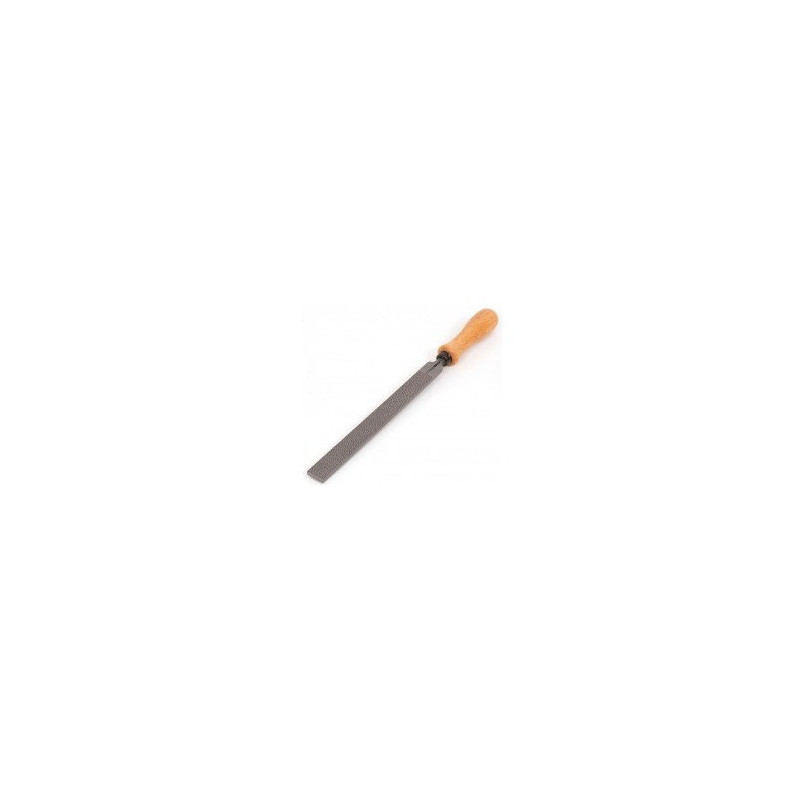
Flat rasp
For shaping and flattening wood.
Cabinetmaker's rasp
Tapering and wide, with one convex and one flat side, for flat surfaces and hollows with a small radius.
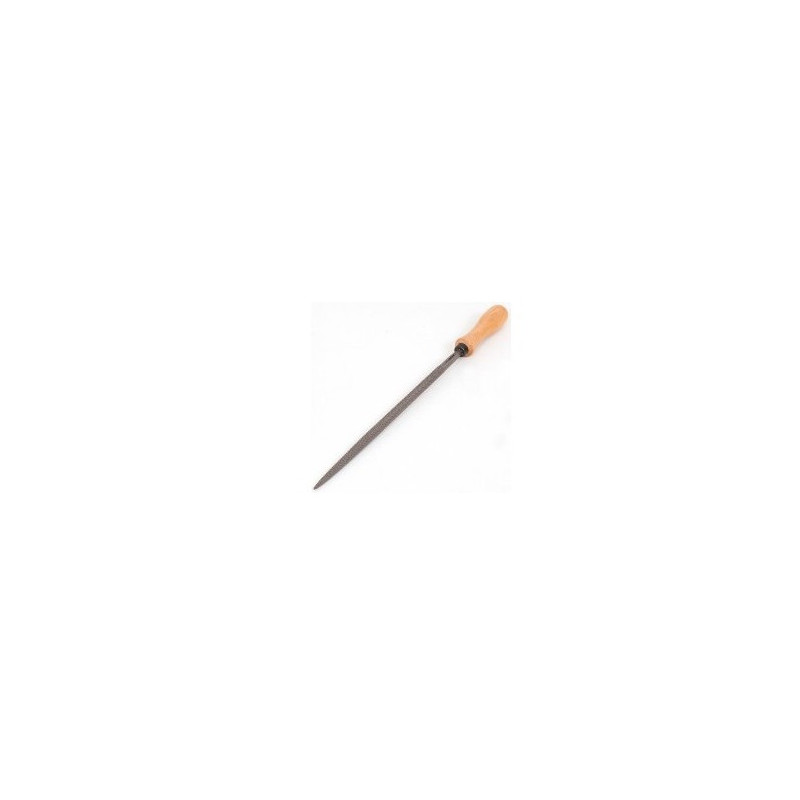
Rat-tail rasp
For enlarging or adjusting holes and shaping hollow parts.
Which cut for which job?
Start coarse, around cut 6–9, when you need to remove a lot of wood, and finish with a finer cut, 13 or higher, before scraping or sanding. A finely cut rasp such as the rat-tail rasp with cut 14 is good for adjusting holes without tearing the wood.
Which rasp should I choose?
Coarse shaping
Flat rasp 250 mm, cut 9/6.
Flat rasp 9/6
Finer shaping
Flat rasp 200 mm, cut 13/10.
Flat rasp 13/10
Furniture
Cabinetmaker's rasp 175 mm, cut 13.
Cabinet rasp
Holes
Rat-tail rasp 150 mm, cut 14.
Rat-tail rasp
What does the cut number on a rasp mean?
What does 9/6 or 13/10 mean?
Where are Liogier rasps made?
See the full range: Rasps from Liogier
Share this content