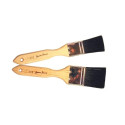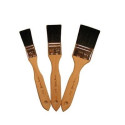
A pure natural-bristle brush can last for many years if it is looked after. The bristles do not tolerate drying solvents unless they are re-greased afterwards, so cleaning and storage matter more than with synthetic brushes.
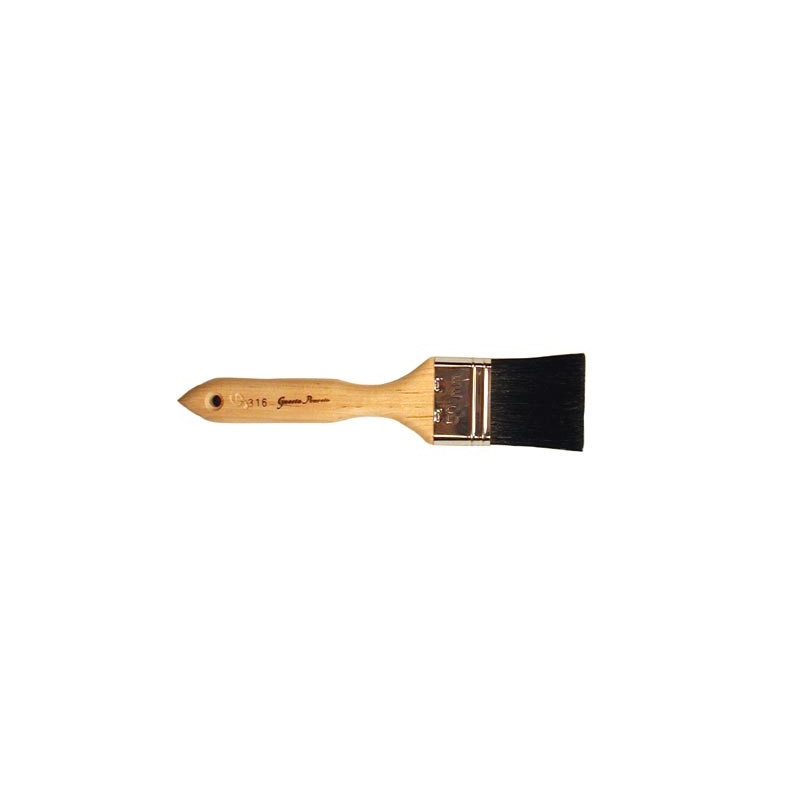
Before first use
Let the whole brush soak in oil (cooking oil, rapeseed oil or similar) for a few days, then wash it out with soft soap.
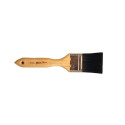
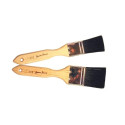
The brushes from Gnesta Penseln have Chinese hog bristle of quality 90 tops, which is worth looking after.
Care step by step
Water-based paint
After water-based paints and traditional paints such as egg tempera and distemper: wash the bristles thoroughly with soft soap and water.
Oil-based paint
Use a cleaner that does not dry out the bristles, and always finish with a soft-soap wash. A clean brush smells only of soap or bristle.
Storage
Work soft soap into the bristles, shape them and let the brush dry. Wash the soap out before use. Or hang the brush in oil until next season.
Watch out for oily rags
Rags and cloths soaked in linseed oil can self-ignite. Keep them in a sealed metal tin or in water, or burn them.
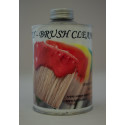
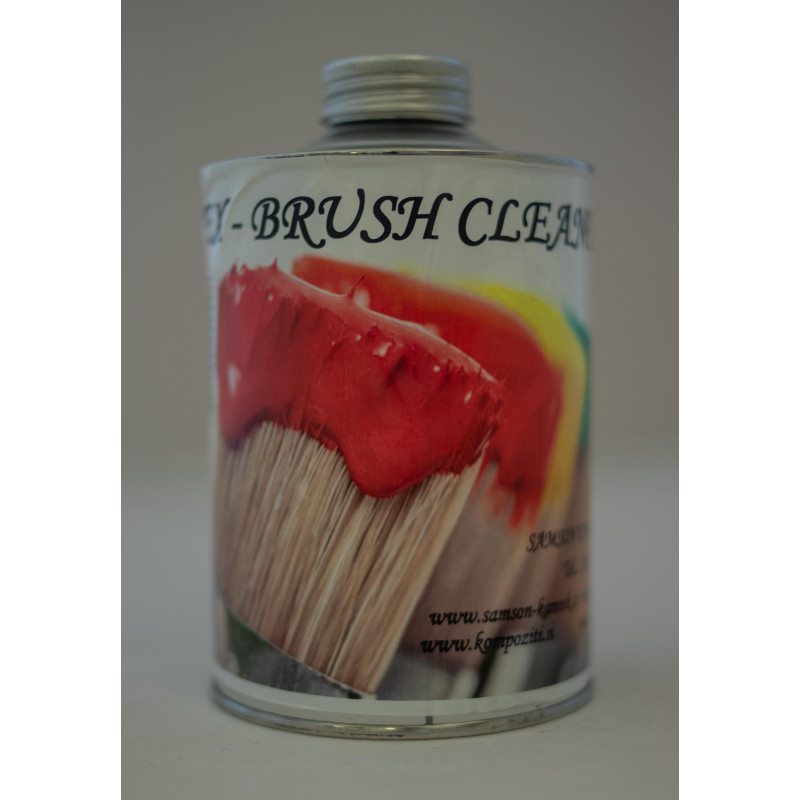
For dried-on paint, oil, grease, tar and wax, a strong brush cleaner such as EX from Samson Kamnik can help. Finish with a soft-soap wash as usual.
Which brush should I choose?
All-round
Flat brush 50/16 mm, rounded tip.
Flat brush 50/16
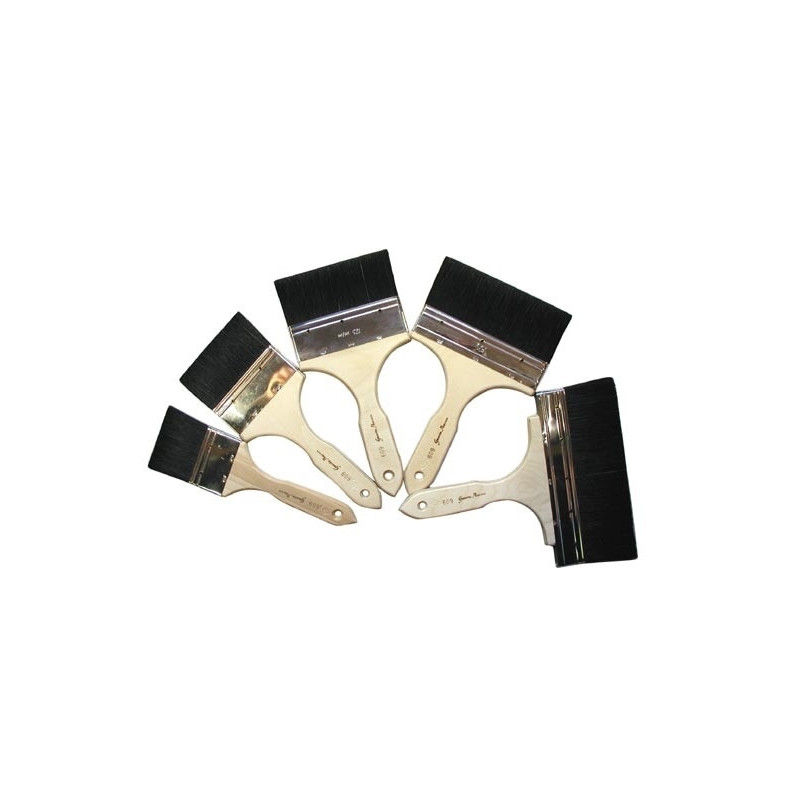
Flat surfaces
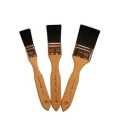
Wide brush 70/9 mm, also for glaze.
Wide brush 70/9
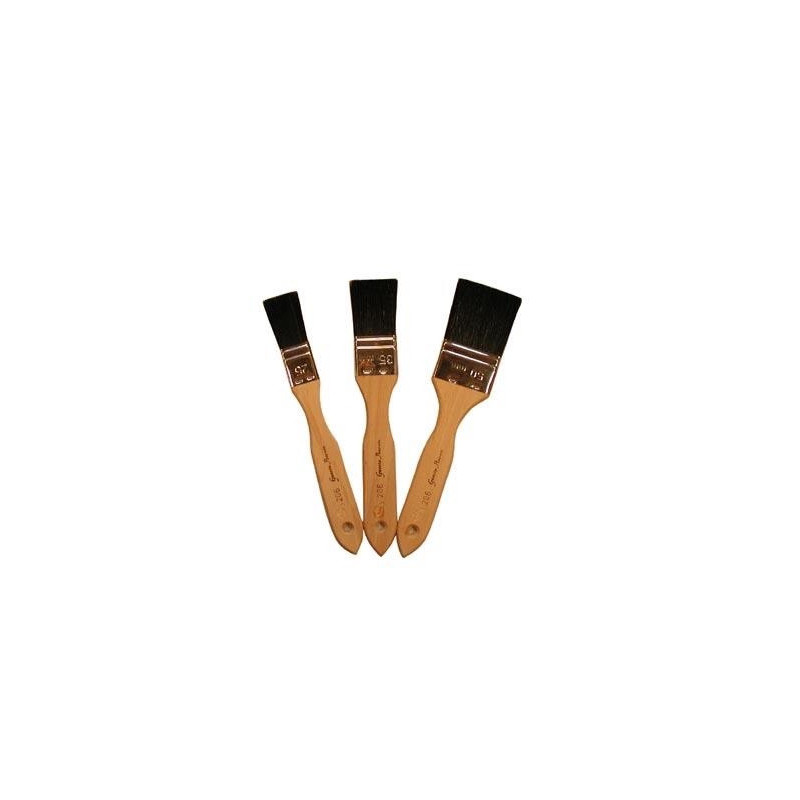
Tight spots
Sash brush 50/6 mm, straight tip.
Sash brush 50/6
Cleaning
For dried-on paint, 500 ml.
EX brush cleaner
How do I prepare a new natural-bristle brush?
How do I store a brush between seasons?
Are linseed oil rags dangerous?
See the full range: Brushes
Share this content