

Kijima kataba (single-edged Japanese saw) 210 mm, crosscut. The saw is made using Kijima's own quenching and tempering, grinding and precision sawing techniques for professional use, making it tougher, more durable and sharper than conventional replacement-blade saws using quenched steel strip.
Kijima kataba (single-edged Japanese saw) 210 mm, crosscut. The saw is made using Kijima's own quenching and tempering, grinding and precision sawing techniques for professional use, making it tougher, more durable and sharper than conventional replacement-blade saws using quenched steel strip. The blade is interchangeable with one-touch replacement, and the same handle fits blades of any size, single or double-edged. The blade can also be resharpened.
Saw type: Kataba (Japanese single-edged pull saw)
Data sheet
Specific References
Which handsaw to choose depends on the tooth pattern and the number of teeth per inch (tpi). Rip teeth cut along the grain and crosscut teeth across it. Few teeth give fast but rough cuts, and many teeth give slower, cleaner cuts.
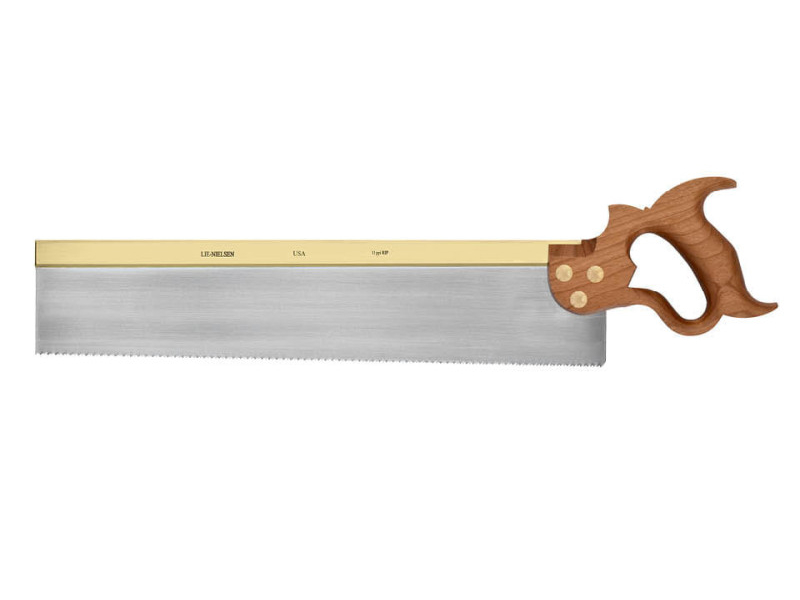
Backsaws such as tenon saws and dovetail saws are used for precise joinery. The guide covers tooth patterns, sharpening and choosing a saw.
You might also like
Kijima kataba (single-edged Japanese saw) 210 mm, crosscut. The saw is made using Kijima's own quenching and tempering, grinding and precision sawing techniques for professional use, making it tougher, more durable and sharper than conventional replacement-blade saws using quenched steel strip.