- On sale!
- -25%


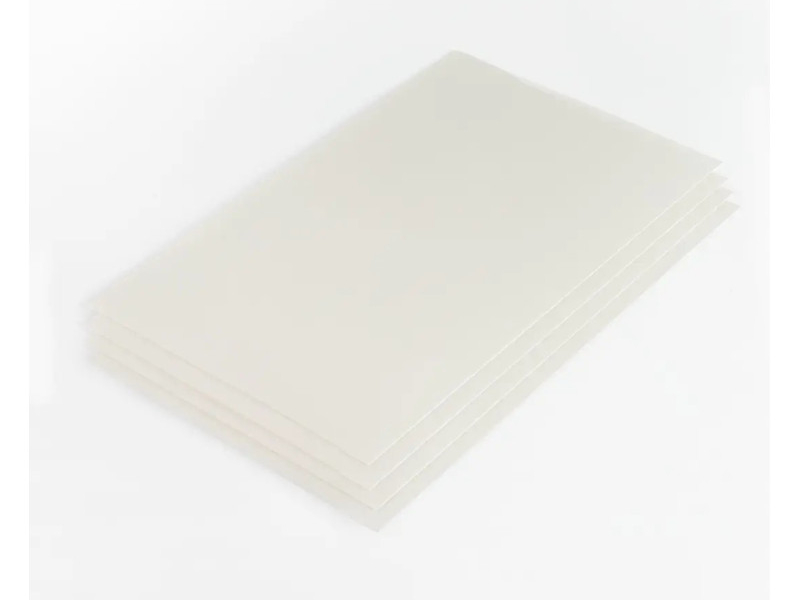
Diamond stone for the Trend Fast Track sharpening system: roughing stone, 100 grit, for fast removal of metal to prepare damaged tools for honing.
Diamond stone for the Trend Fast Track sharpening system: roughing stone, 100 grit, for fast removal of metal to prepare damaged tools for honing. Monocrystalline diamond with the unique Diamond Cross relief pattern, which gives optimal abrasion rates to maximise sharpening efficiency and reduces clogging. The diamonds are held by nickel plating to a steel substrate with ABS plastic base.
A water stone wears unevenly and becomes dished in the middle over time. That makes it hard to get a straight edge, so the stone needs flattening regularly, ideally every time you have sharpened for a while.
The easiest way is to rub the surface of the stone against a coarse diamond stone under running water until it is flat. Draw a pencil grid on the stone first, so you can see when it has all been removed. You can also use the diamond stone to sharpen tools when you need a coarser grit than 300.
There are several good ways to sharpen chisels and plane irons: water stones, diamond stones, oil stones and sharpening machines such as Tormek. All give sharp edges, but they differ in speed, maintenance and price.
A honing guide makes it easier to keep the same angle every time. The most important thing is to find a method you enjoy and use often. The guide helps you choose.
Which water stone you need depends on how dull your edges are and how fine a finish you want. A common setup is a coarse stone around 1000 grit to shape the edge and a fine stone around 5000–8000 grit to polish it. For chipped edges you need a coarser stone too.
Water stones wear unevenly and need flattening regularly. The guide explains grits, brands and flattening.
Diamond stone for the Trend Fast Track sharpening system: roughing stone, 100 grit, for fast removal of metal to prepare damaged tools for honing.